
Antonin Tron: The Architecture of Movement Finds Its Home at Balmain
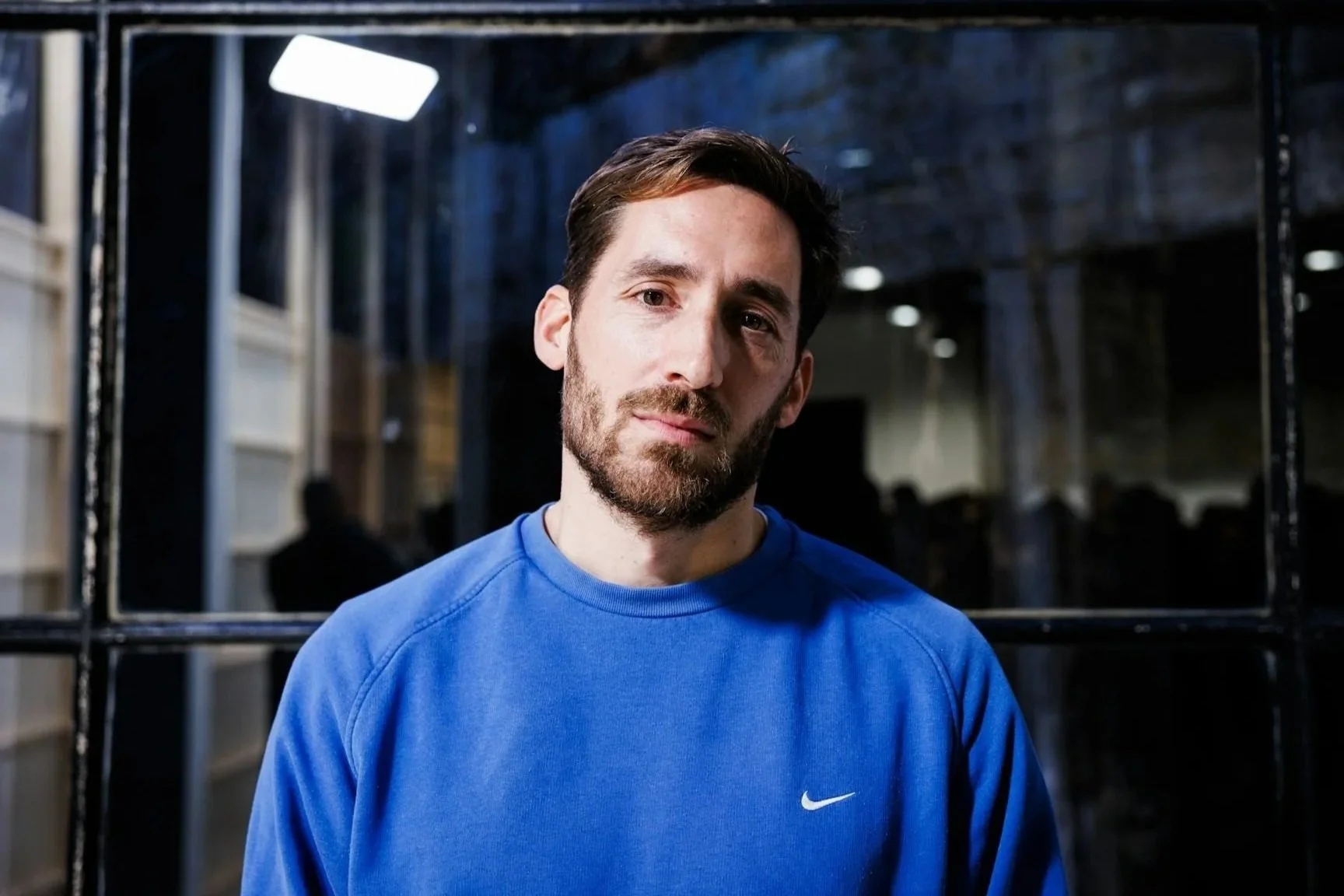
Antonin Tron. Photo: Richard Bord/Getty Images Entertainment
When Balmain announced Antonin Tron as its new Creative Director, it did not feel like another headline. It felt like a pause, a moment of stillness in a fashion landscape addicted to noise. After more than a decade under Olivier Rousteing’s electrifying, social media-fuelled reign, the French house is turning toward something slower, quieter, and deeply human.
Tron, founder of the critically acclaimed label Atlein, steps into the role with a reputation built not on spectacle but on structure. His work has always been about the body, how it moves, how fabric falls, how a garment lives once it leaves the runway. For a house like Balmain, known for its bold shoulders and red-carpet drama, this is less a rupture and more a recalibration.
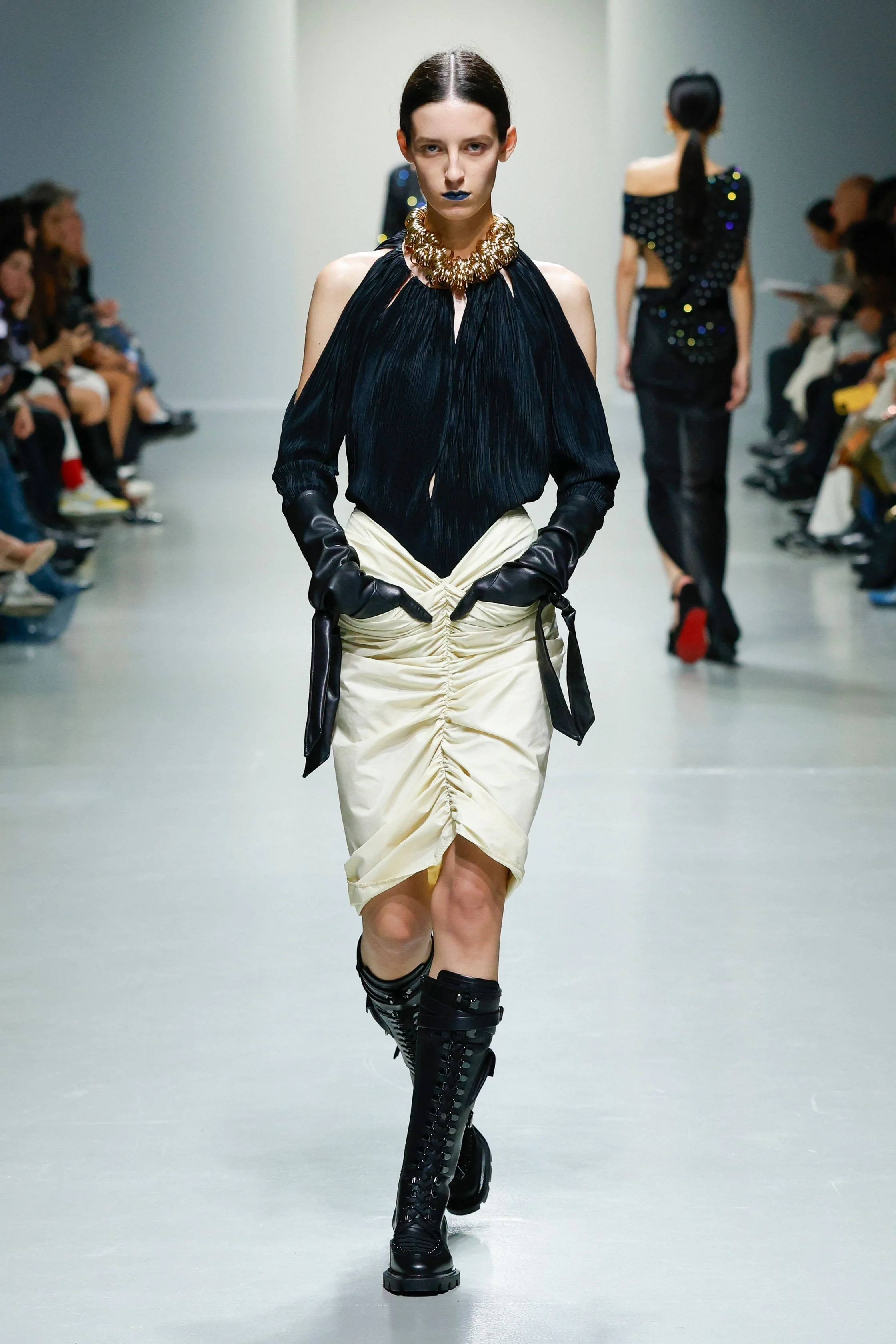
Atlein Spring/Summer 2025. Courtesy of Atlein
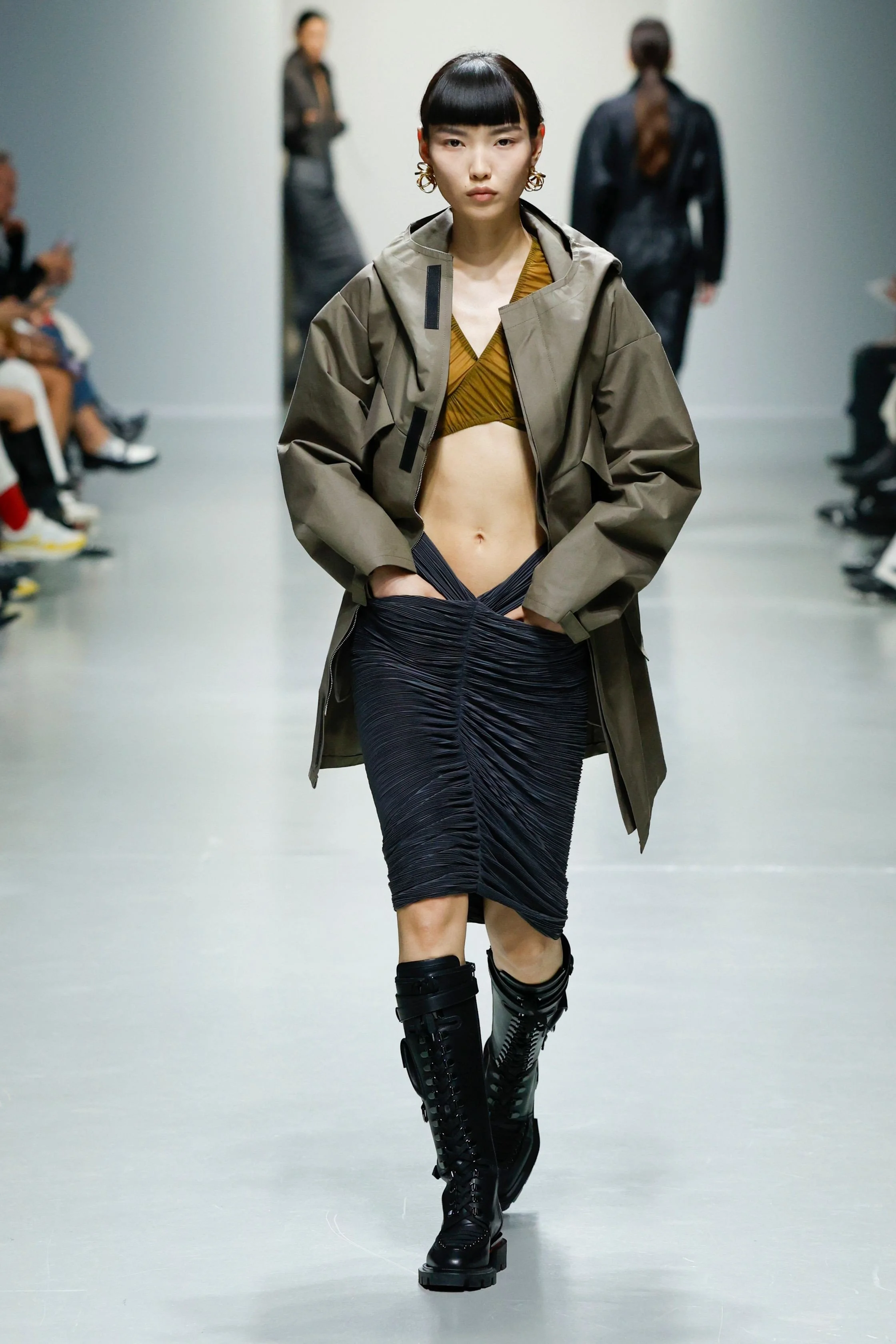
Atlein Spring/Summer 2025. Courtesy of Atlein
The appointment, announced in November 2025, follows Rousteing’s fourteen-year chapter that cemented Balmain as a pop culture force. Under his direction, the brand found fame beyond fashion through celebrity armies, stadium shows, and the shimmer of the digital age. Now the message coming from Balmain’s leadership is different. Matteo Sgarbossa, the house’s CEO, described Tron’s arrival as a “return to Pierre Balmain’s founding idea: the architecture of movement.” Those words feel almost radical in their simplicity. They suggest a shift from the visual spectacle that defined the brand’s last decade to something far more tactile and enduring, an elegance that breathes.
Antonin Tron was born in Paris and trained at Antwerp’s Royal Academy of Fine Arts, a school that has produced some of the most precise and emotionally intelligent designers in contemporary fashion. Before launching Atlein in 2016, he worked under Nicolas Ghesquière at Balenciaga and contributed to Givenchy, Louis Vuitton, and Saint Laurent. His own label became known for its sculptural jersey pieces, fluid, sensual, and quietly powerful. The name Atlein, drawn from “Atlantic,” reflected his fascination with movement and nature: tides, rhythm, the way fabric can echo the body’s pulse.
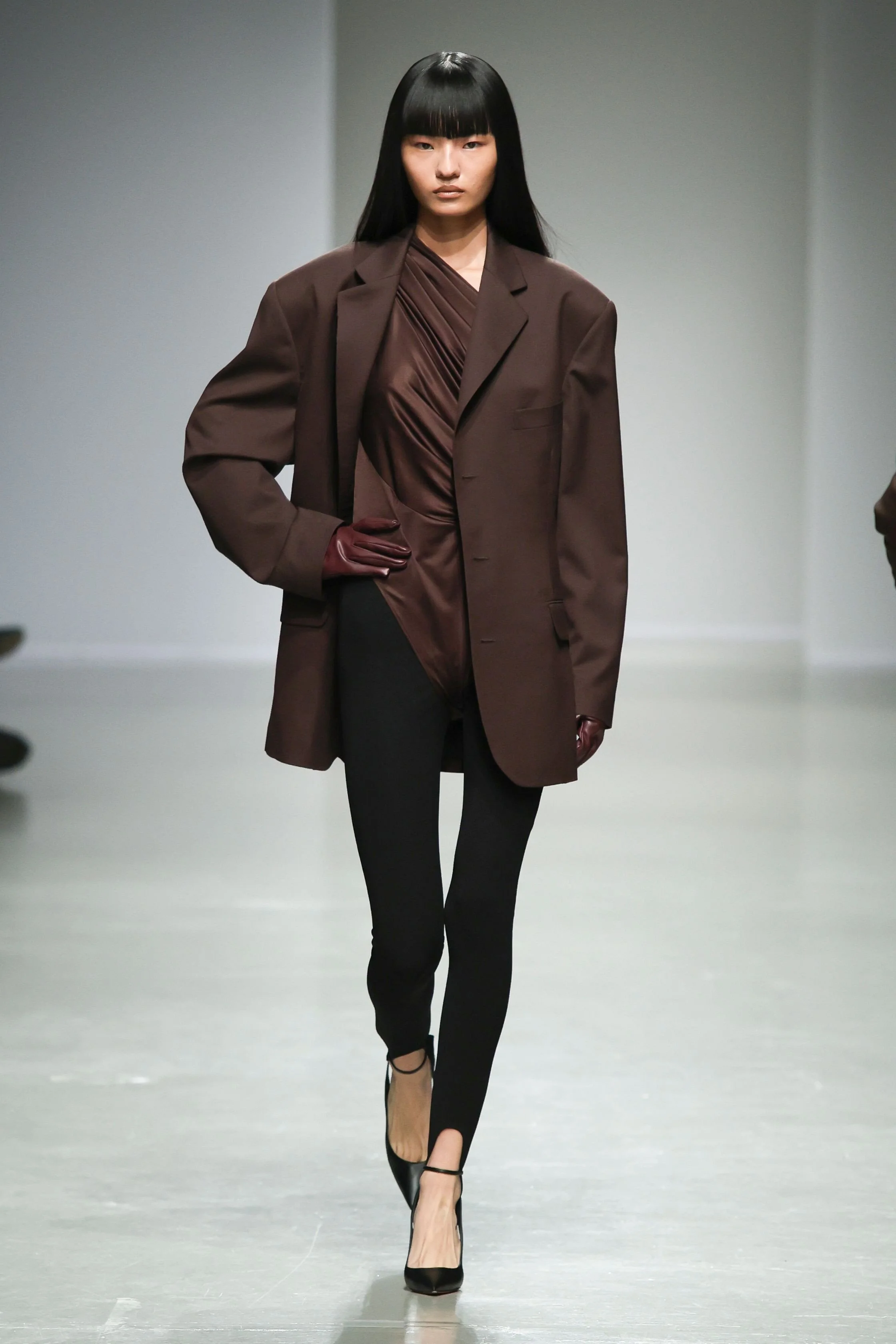
Atlein Fall/Winter 2025. Courtesy of Atlein
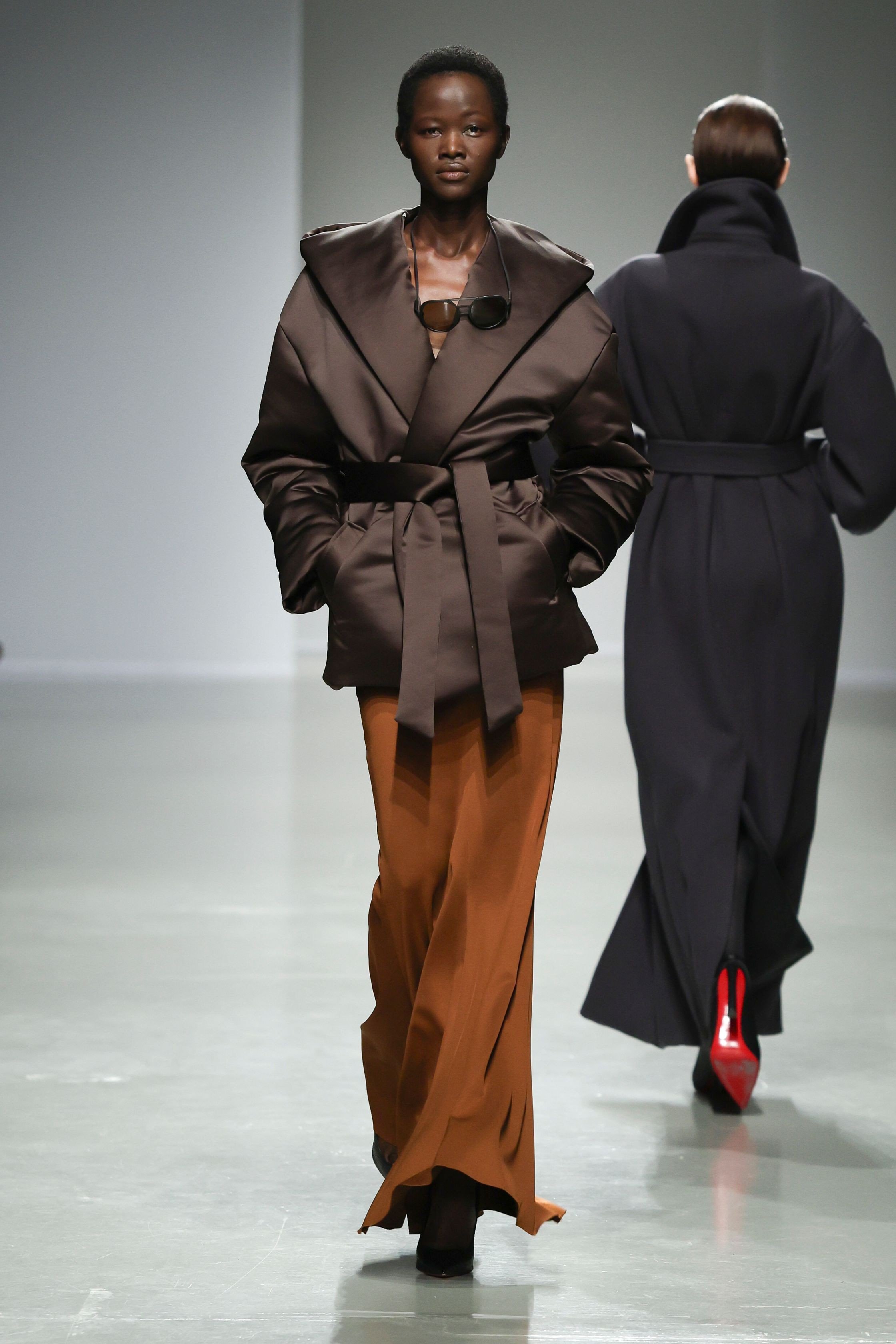
That philosophy now meets Balmain’s opulent DNA, creating a tension that feels full of possibility. Rousteing’s Balmain was high-octane, designed for the era of the selfie and the stadium show. Tron’s vision speaks another language. At Atlein, he once said, “A woman should feel free, that’s what I design for.” The simplicity of that statement reveals everything. For Tron, fashion is about liberation, not performance.
His first collection for Balmain is expected in March 2026 during Paris Fashion Week, and if his past work is any indication, the clothes will move differently. Expect draping, fluid tailoring, and silhouettes that speak softly but carry strength. The energy might shift from the flash of cameras to the quiet authority of construction, from the spectacle to the substance. Balmain will still be Balmain, but perhaps a version that listens more than it shouts.

Photo: Sarah Meyssonnier/REUTERS
There is also something timely about this transition. In a culture oversaturated with image, a designer who believes in fabric before fame feels almost revolutionary. Tron’s work has always been grounded in integrity: made in France, meticulously crafted, respectful of process. If that ethos extends to Balmain, it could mark a new era of conscious luxury, one that values touch, longevity, and emotion as much as visibility.
When Tron takes his first bow in Paris next year, it will signal more than a new chapter for the brand. It will reflect a broader movement in fashion itself, away from immediacy and toward meaning. The future of Balmain may not glitter as loudly, but it might just move more beautifully.
