
Coco’s Urban Dream
Matthieu Blazy wrote a love letter to dreamers and the icons who shaped Chanel
Courtesy of Chanel
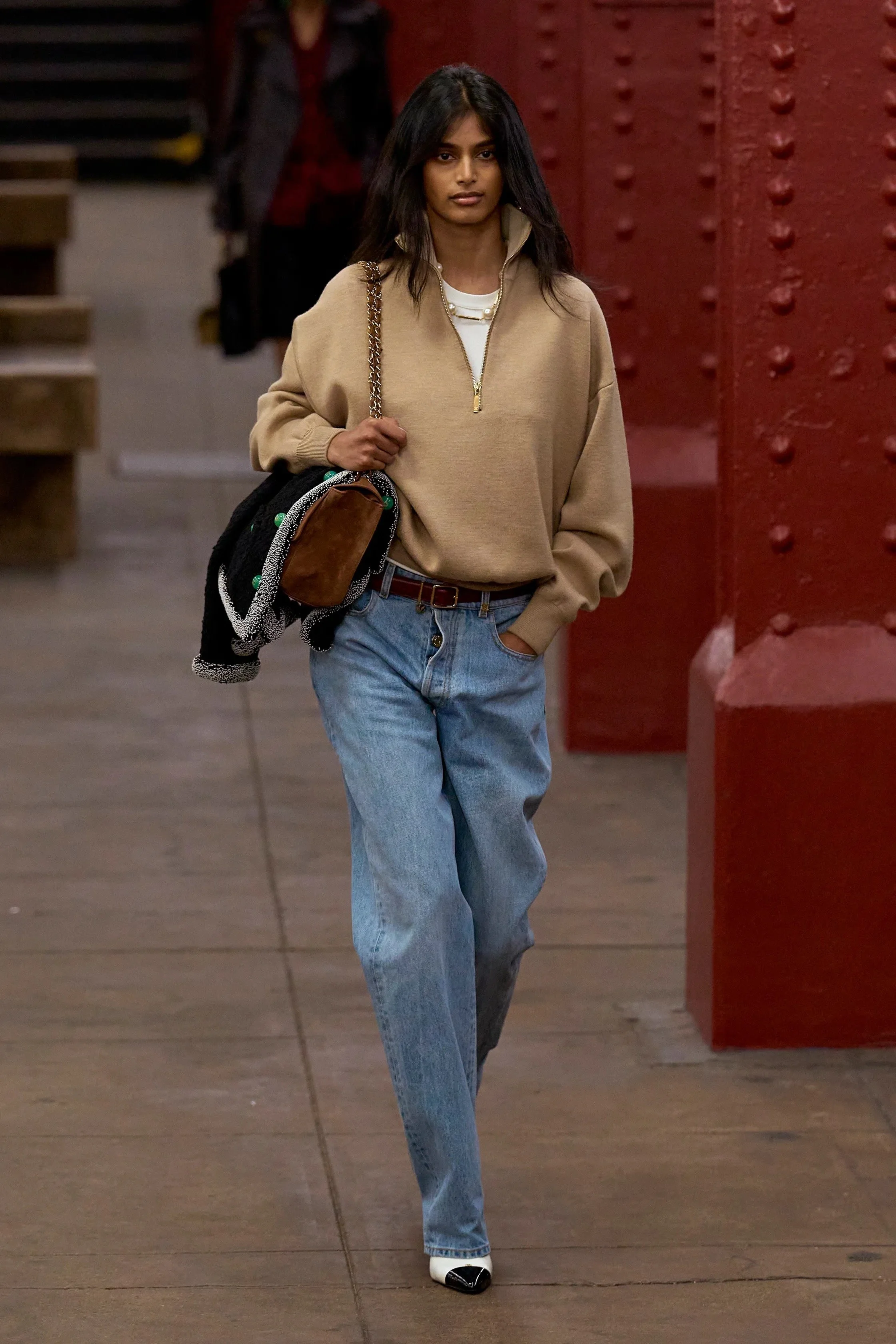
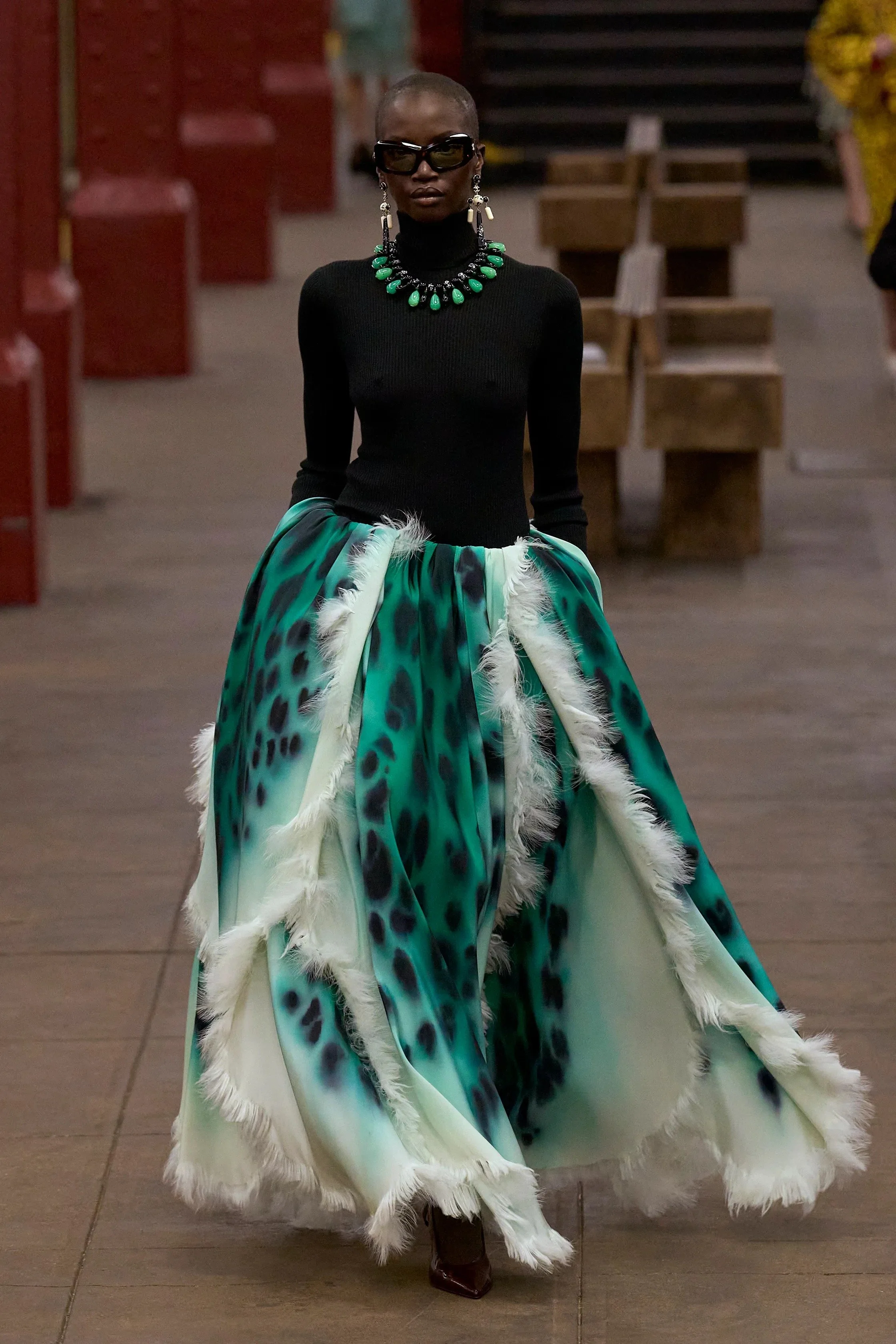
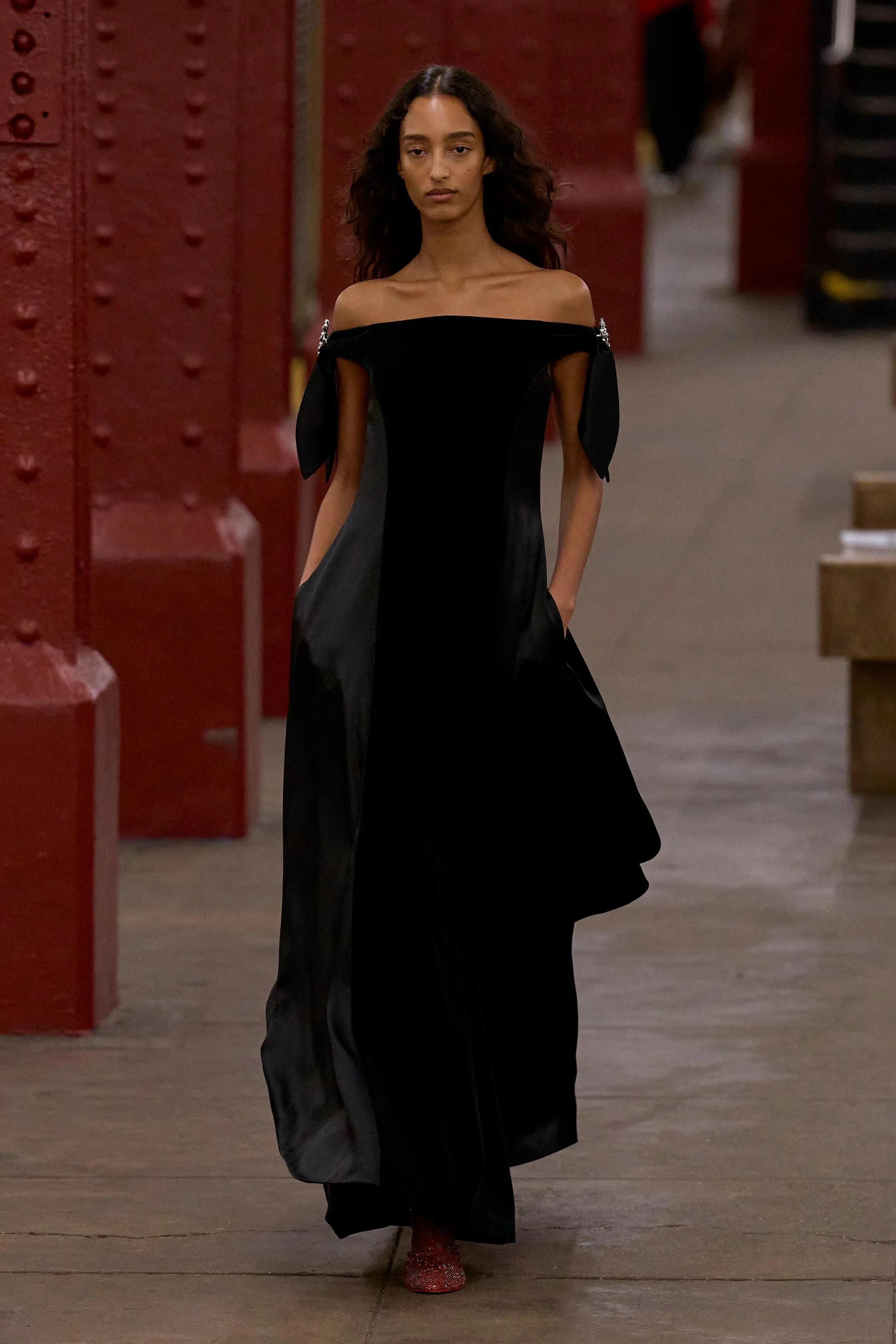
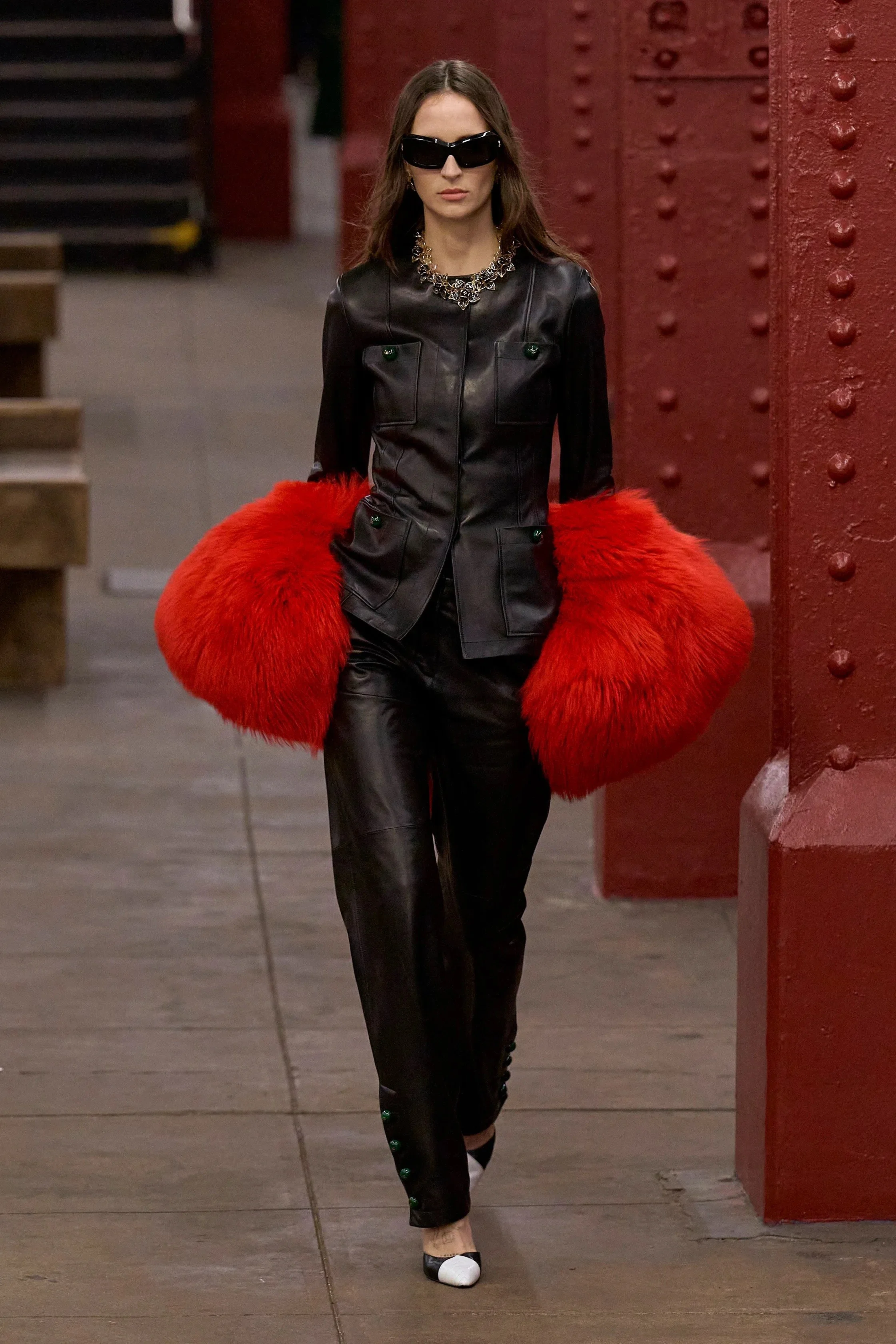
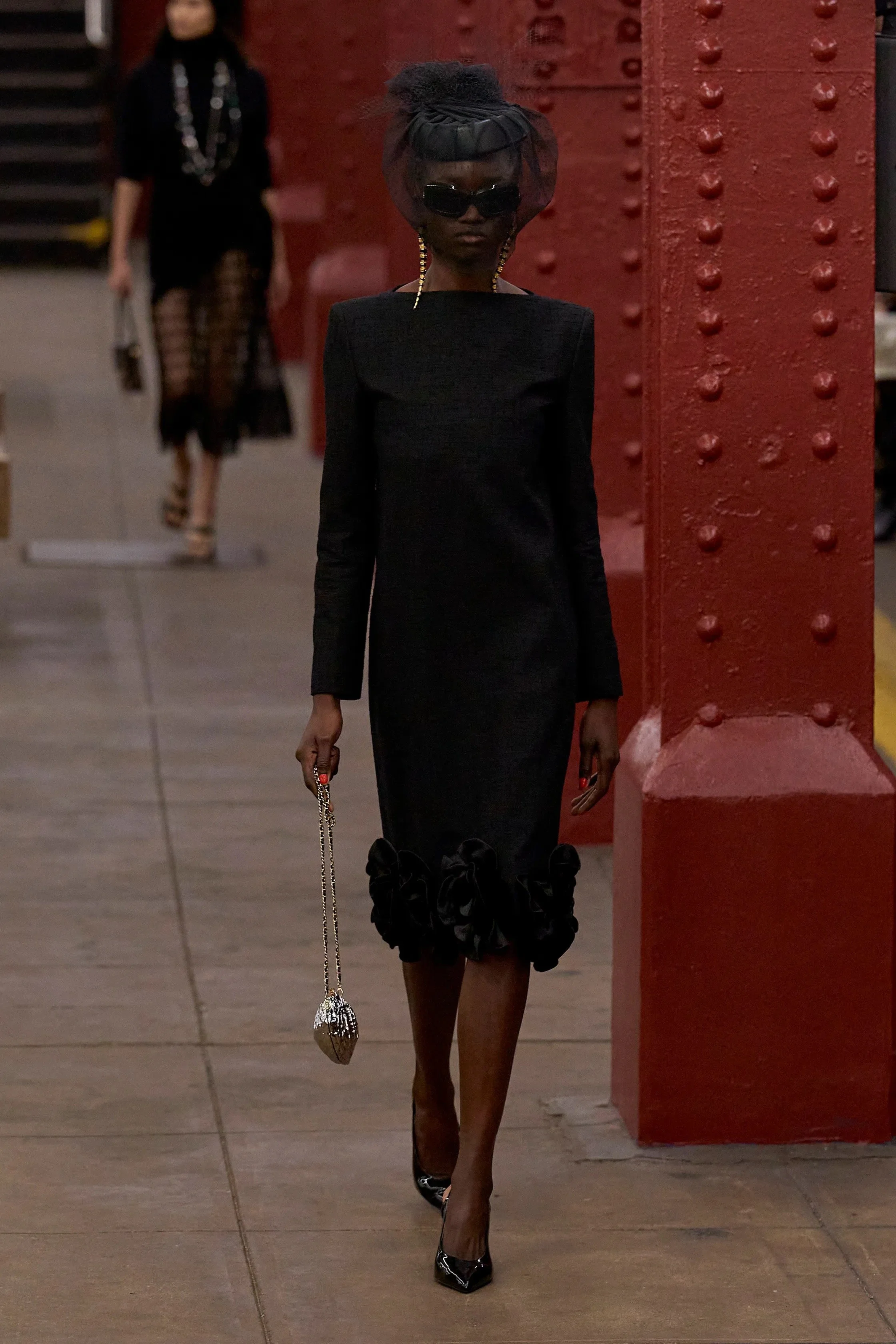
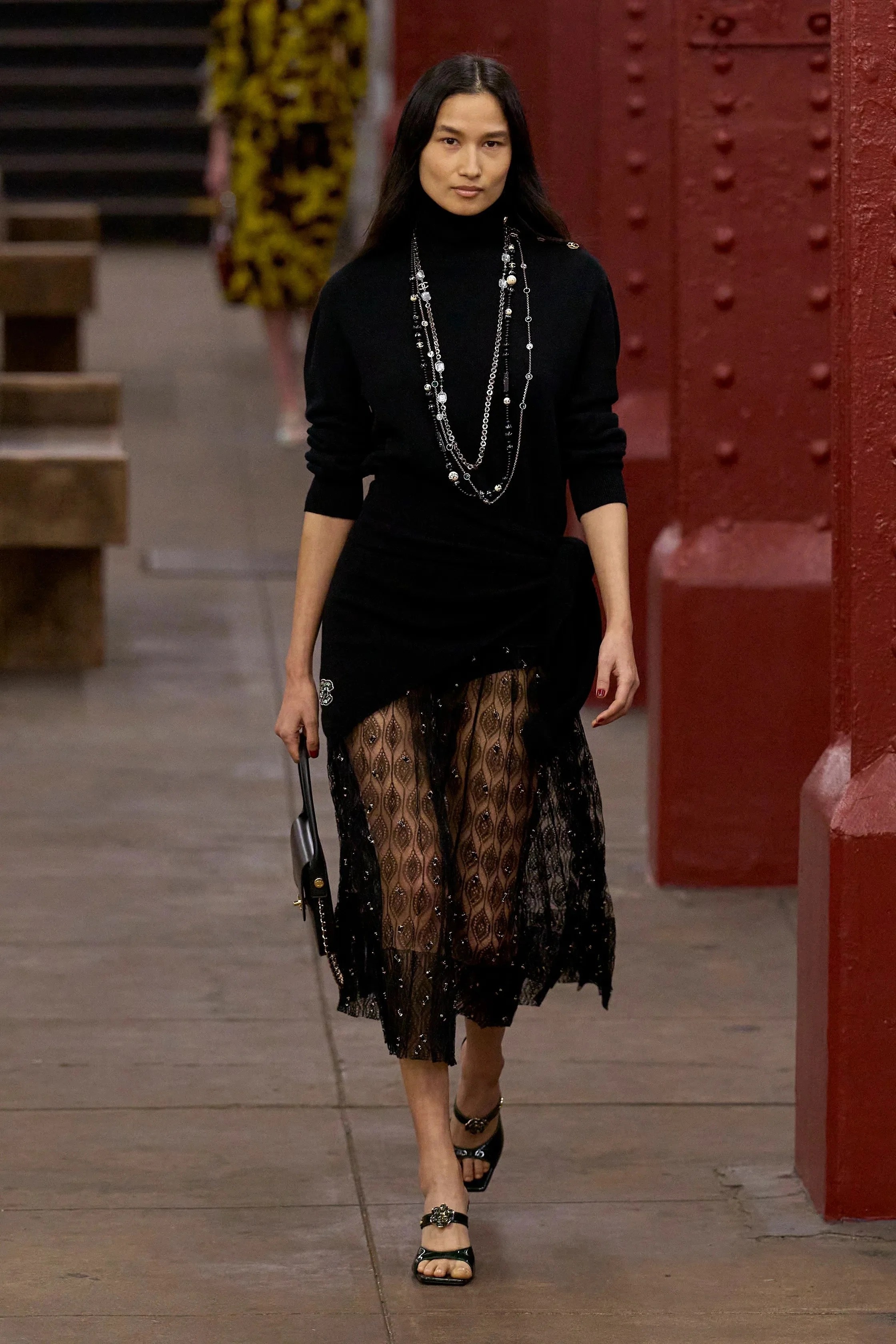
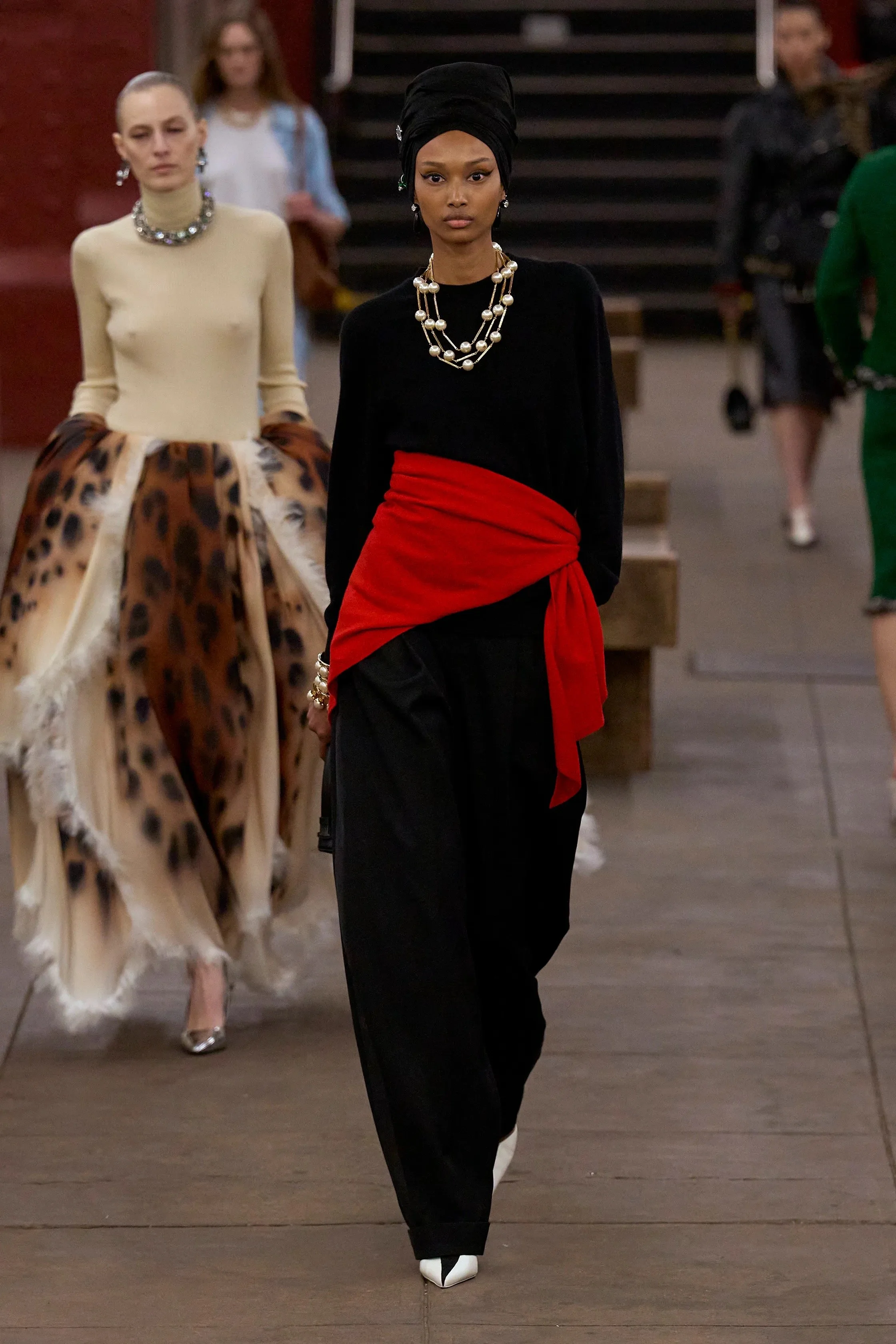
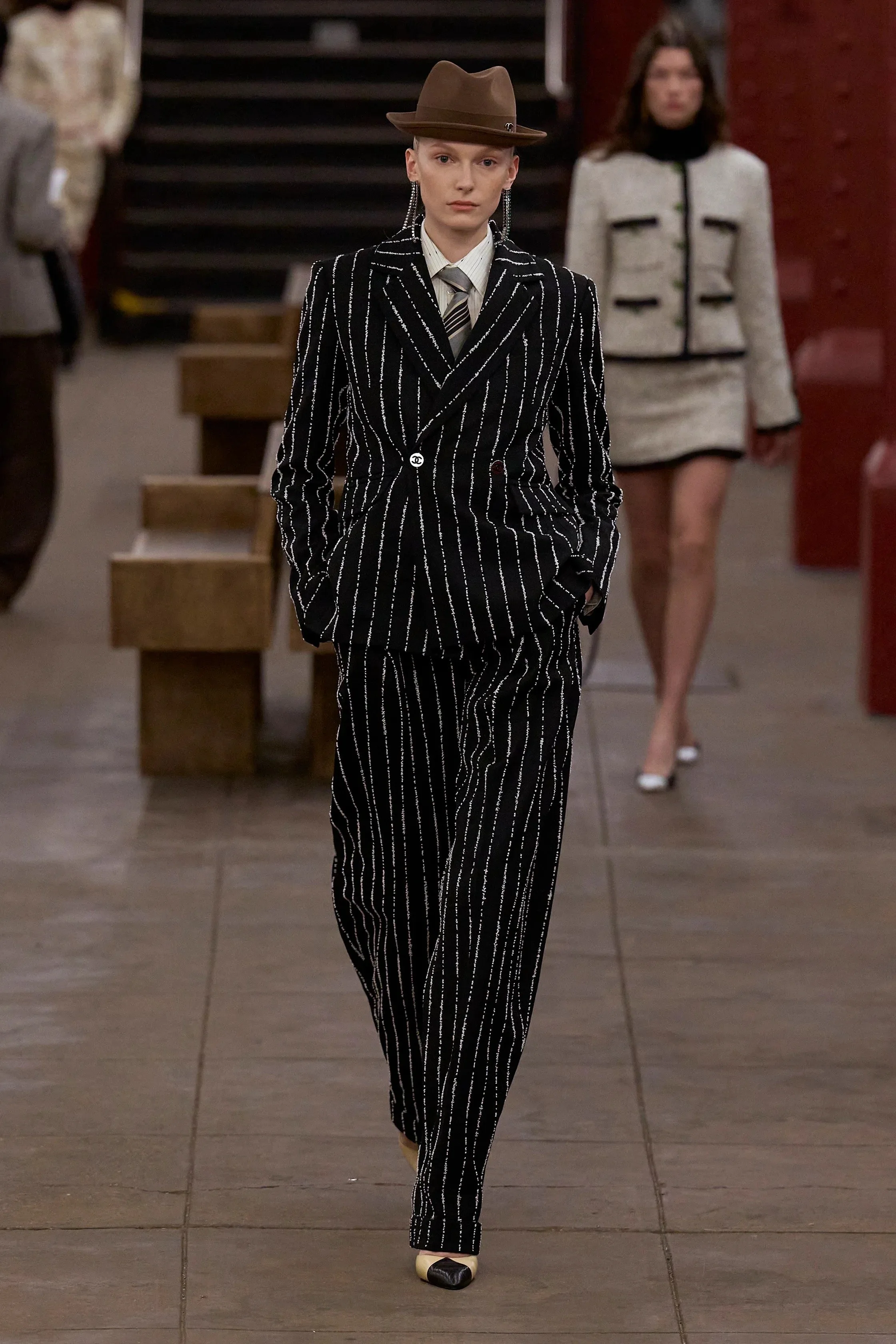
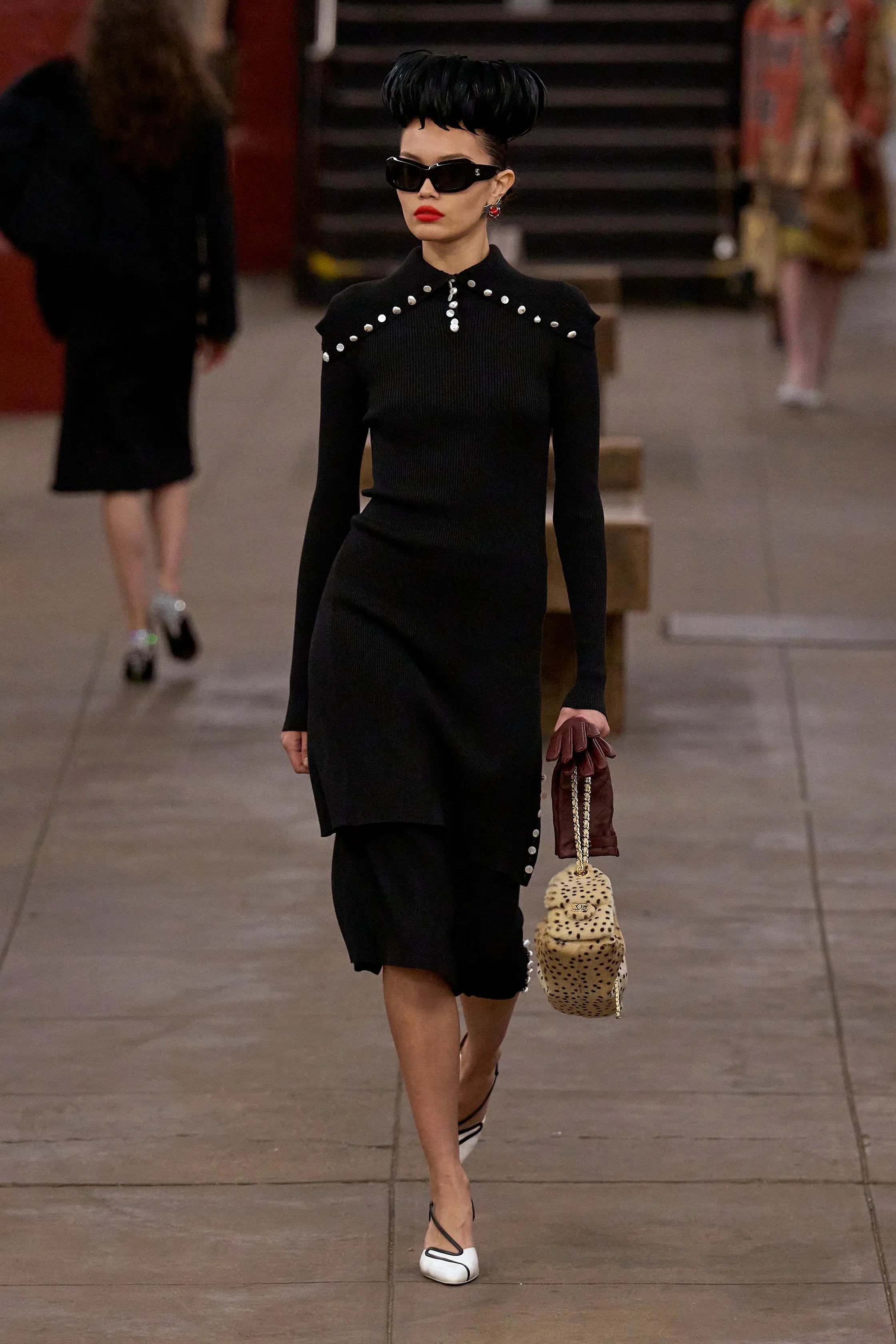
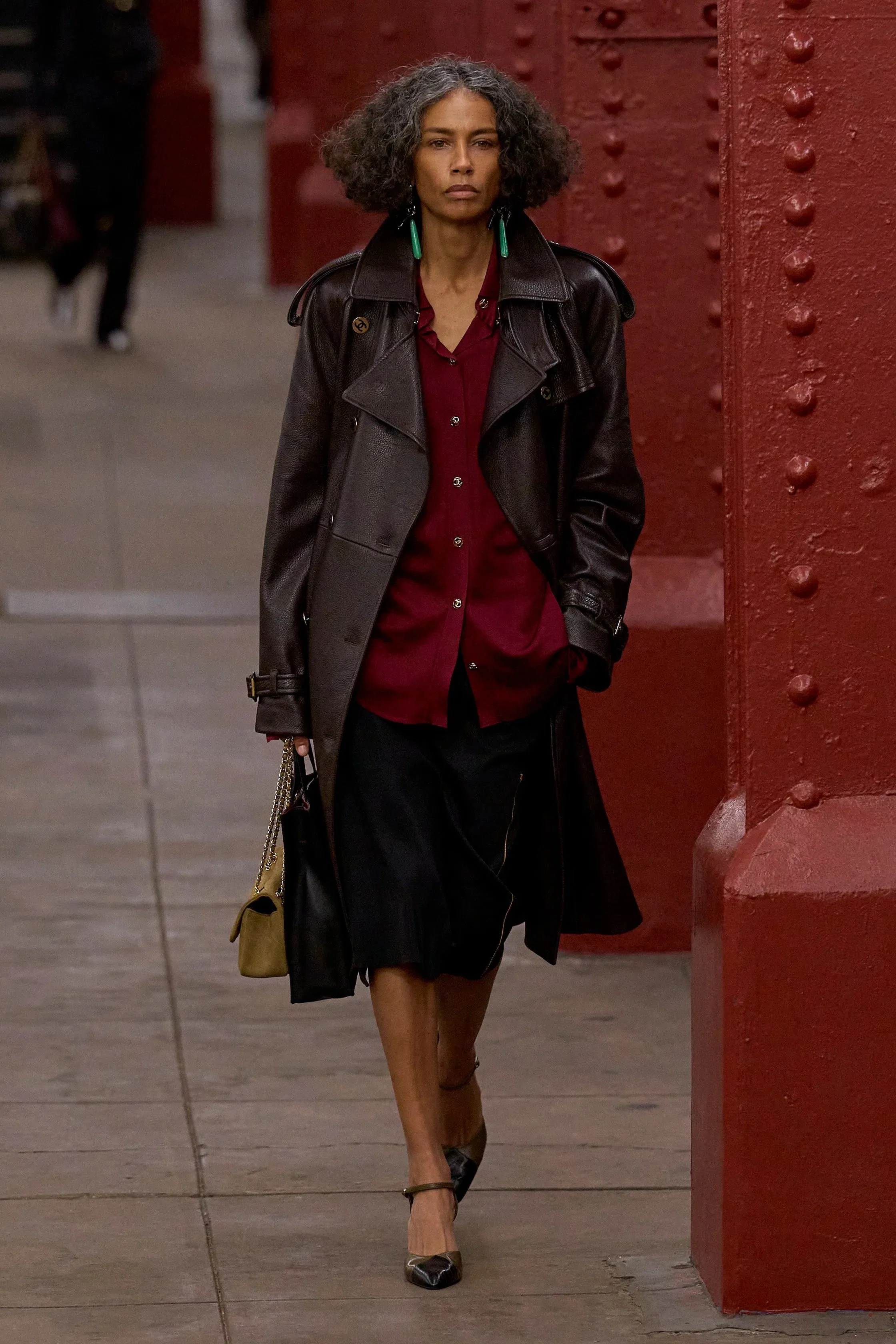
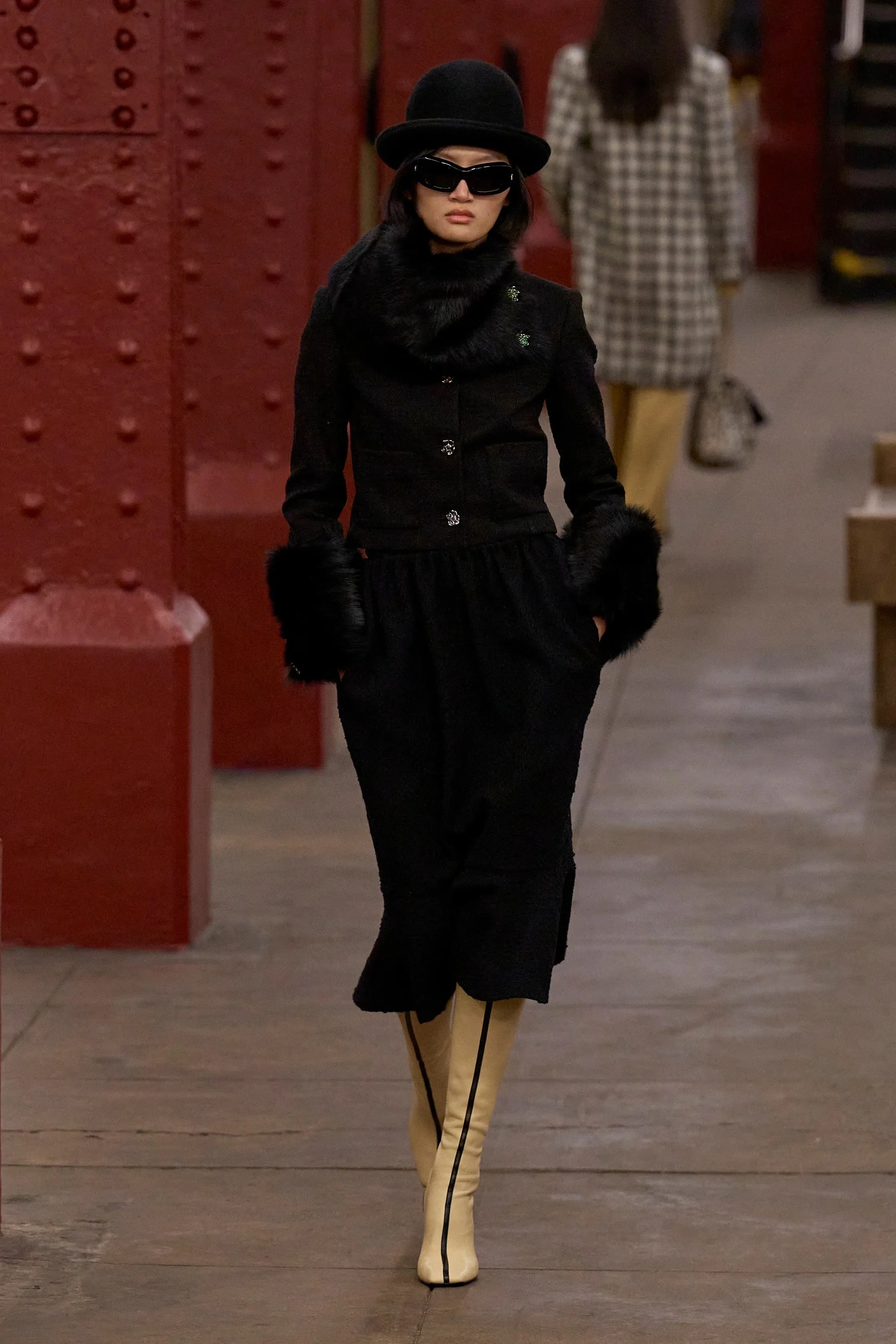
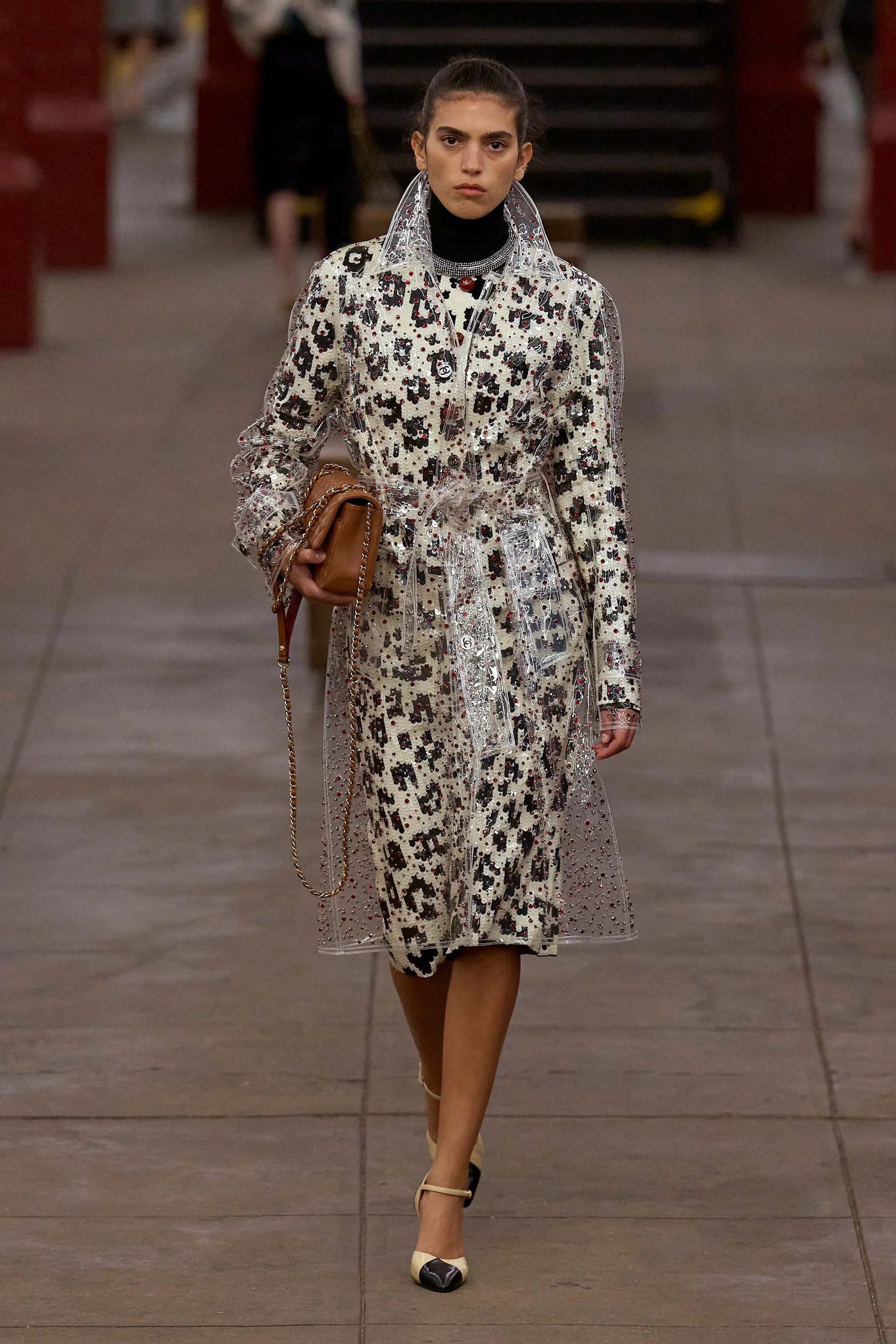
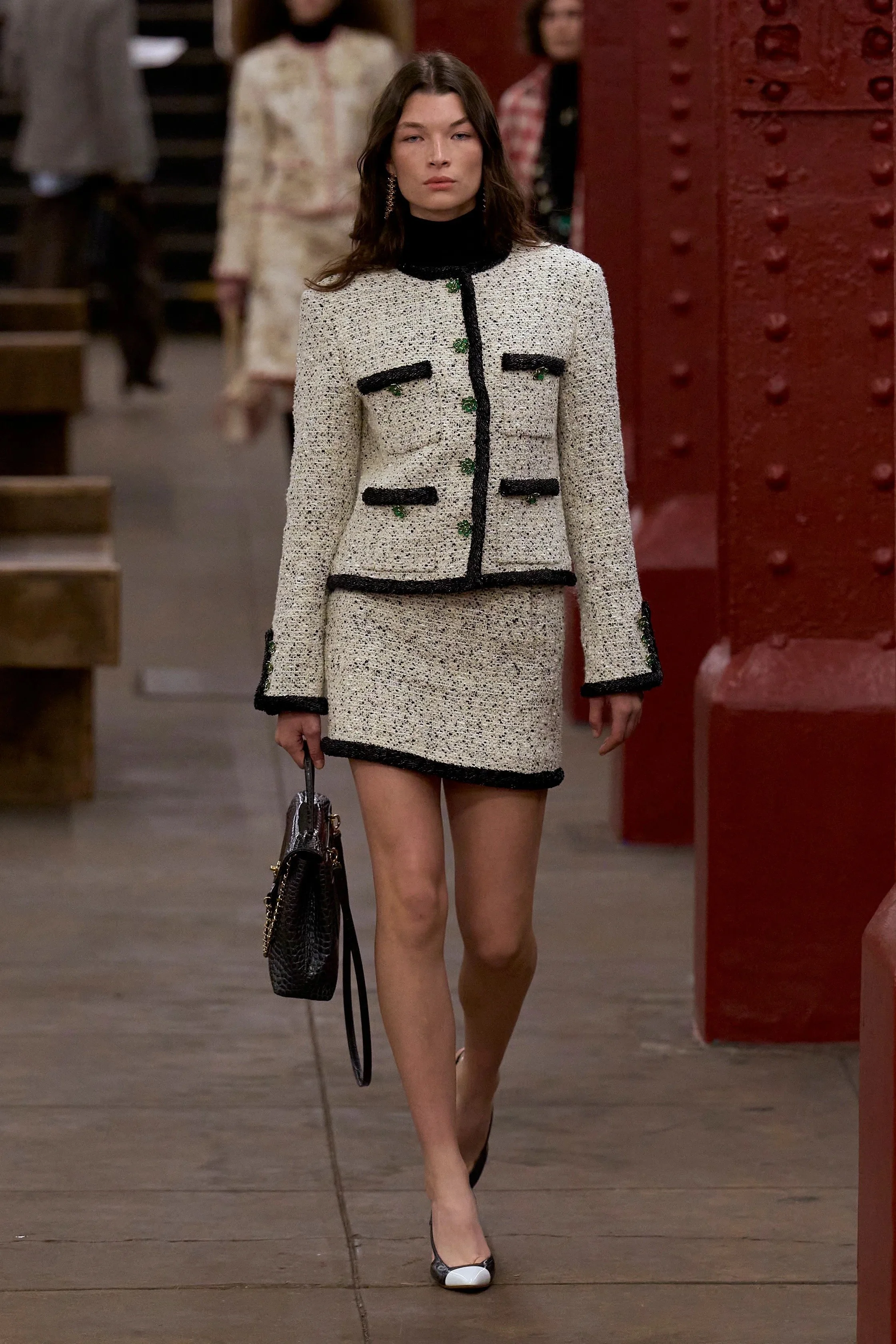
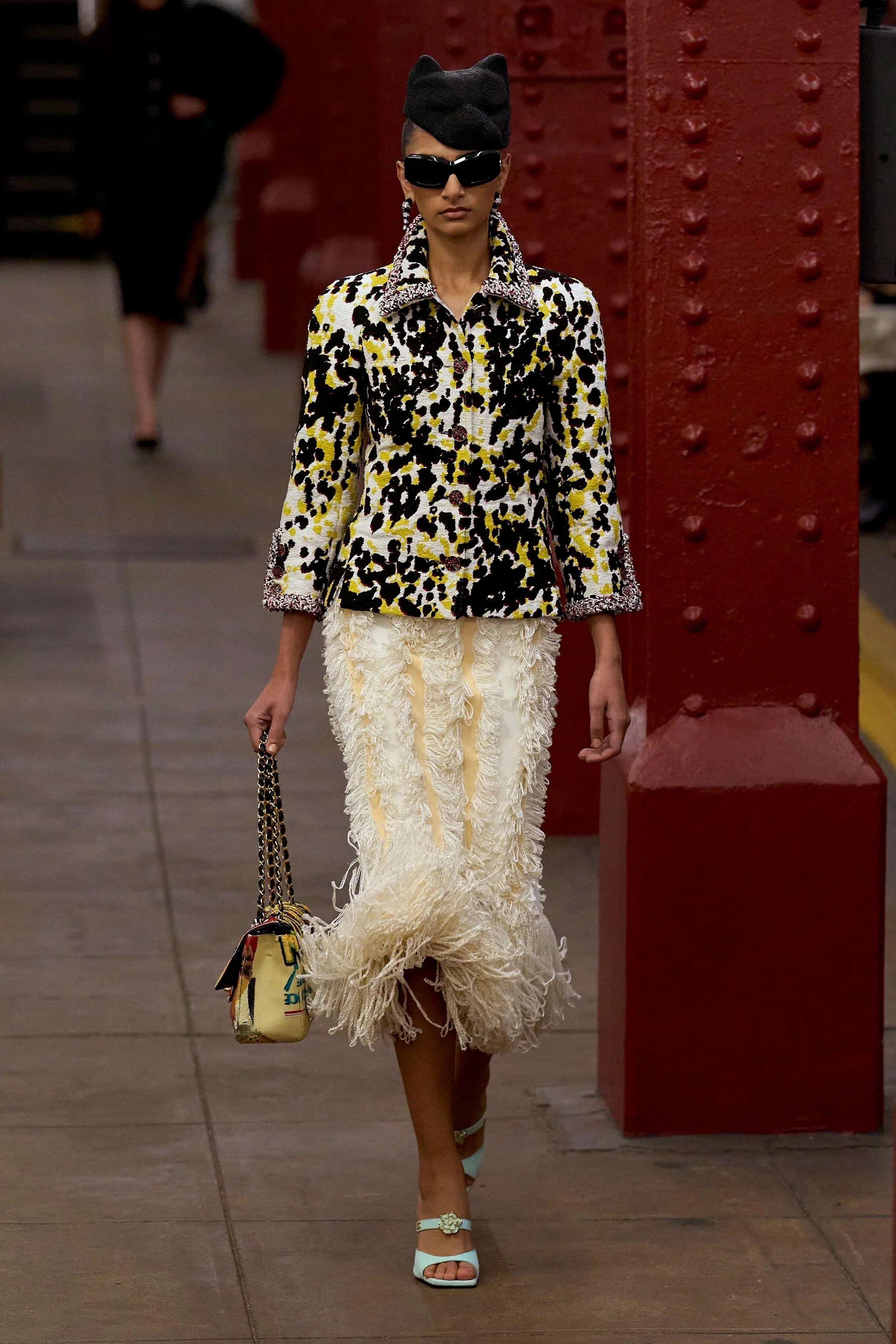
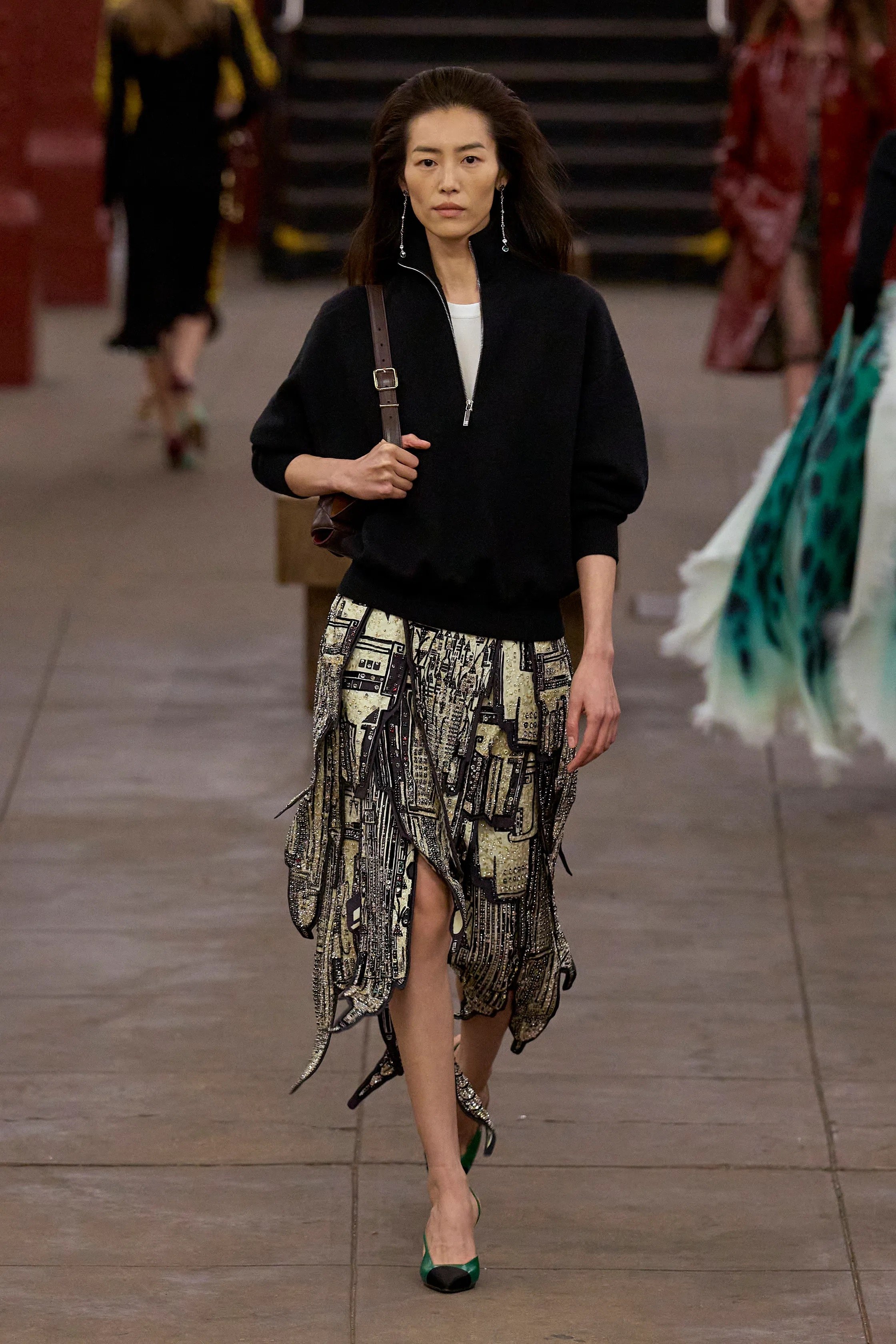
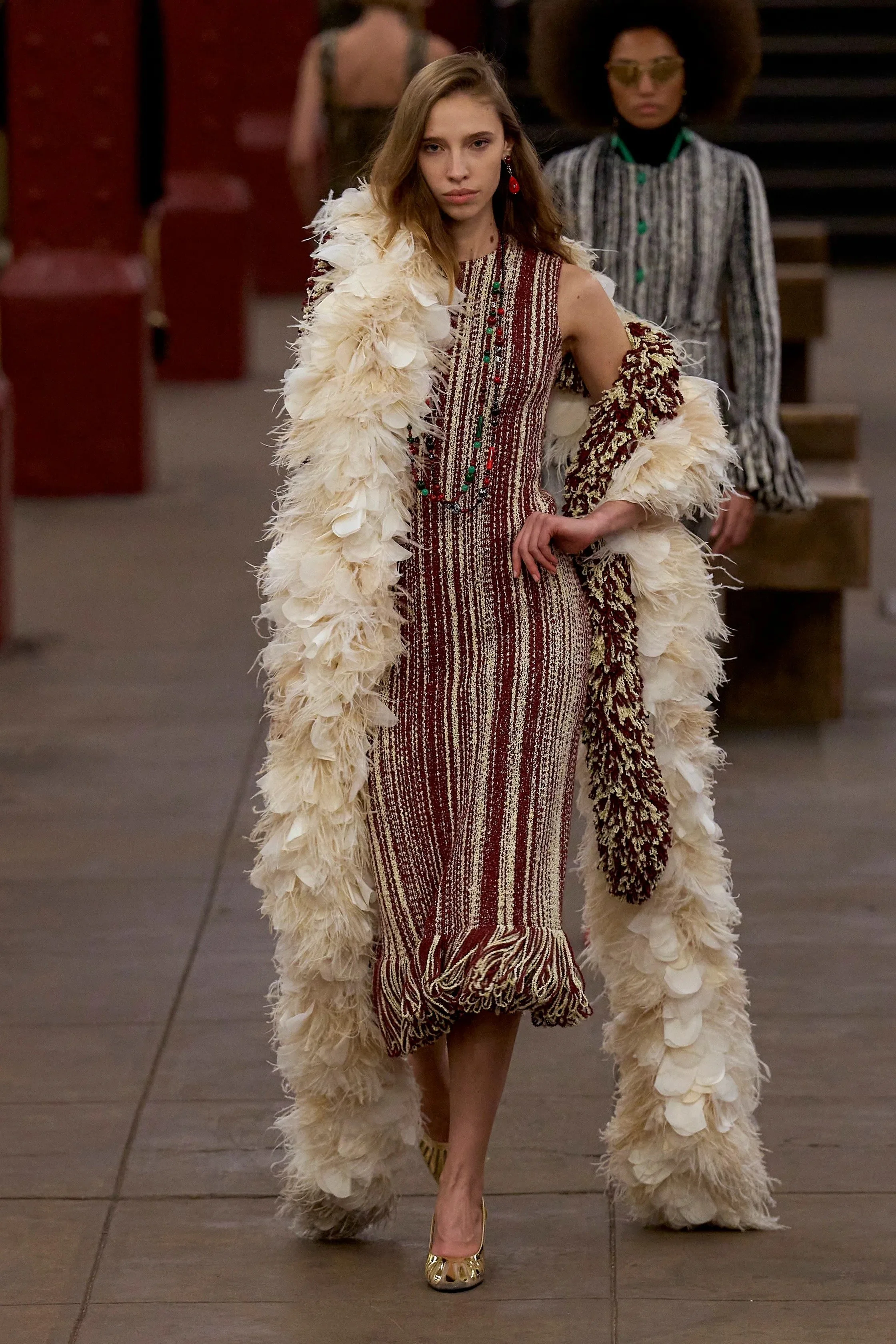
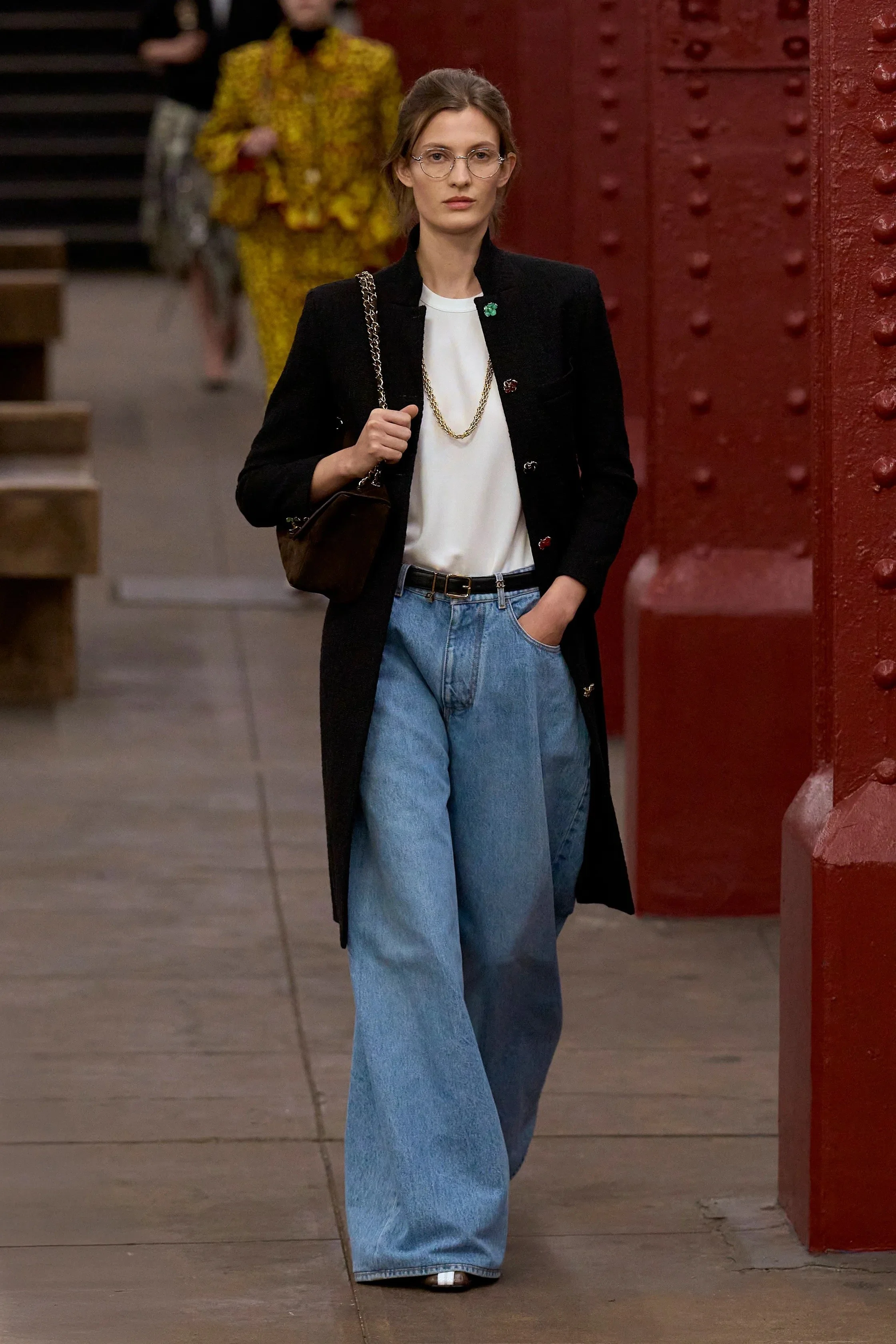
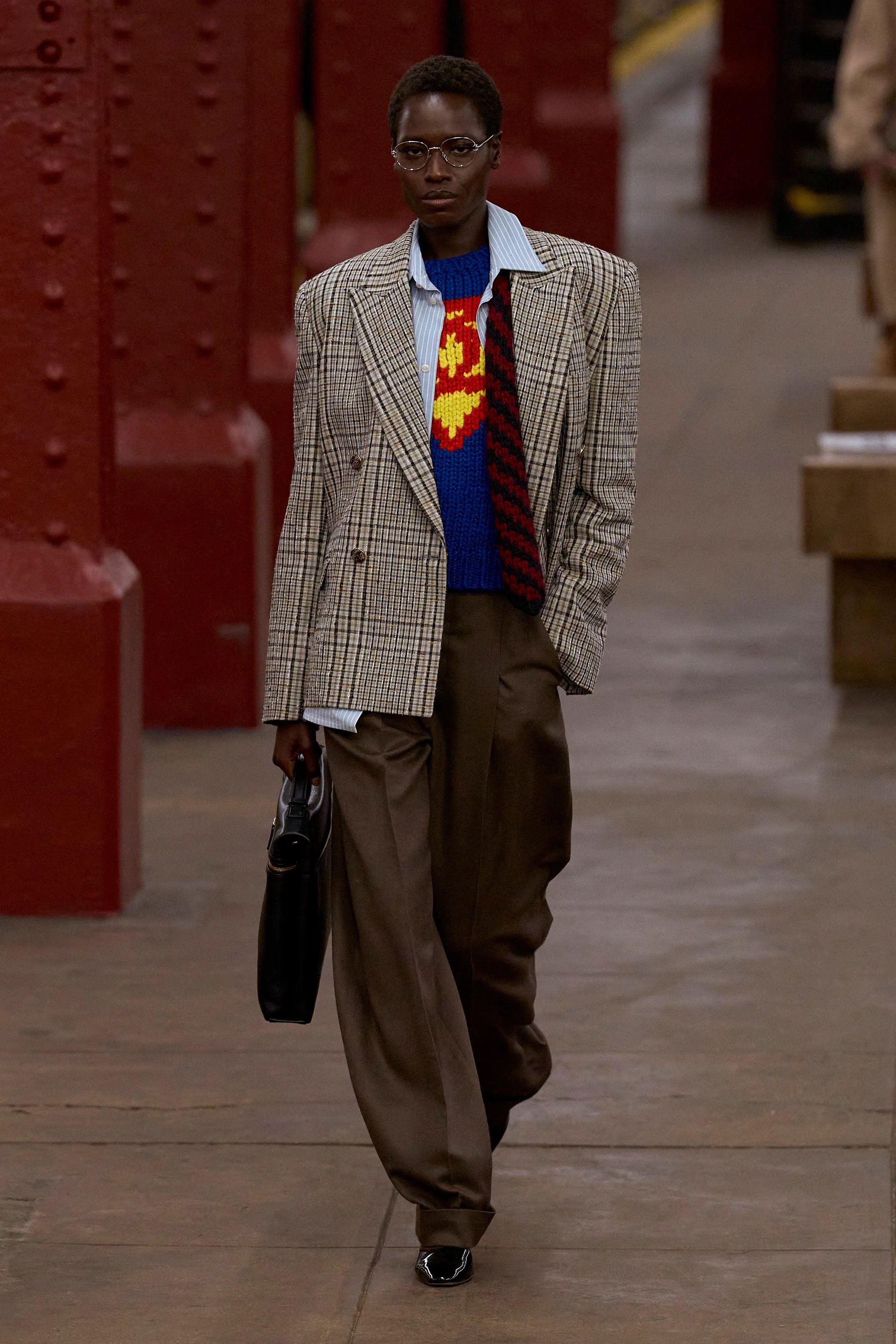
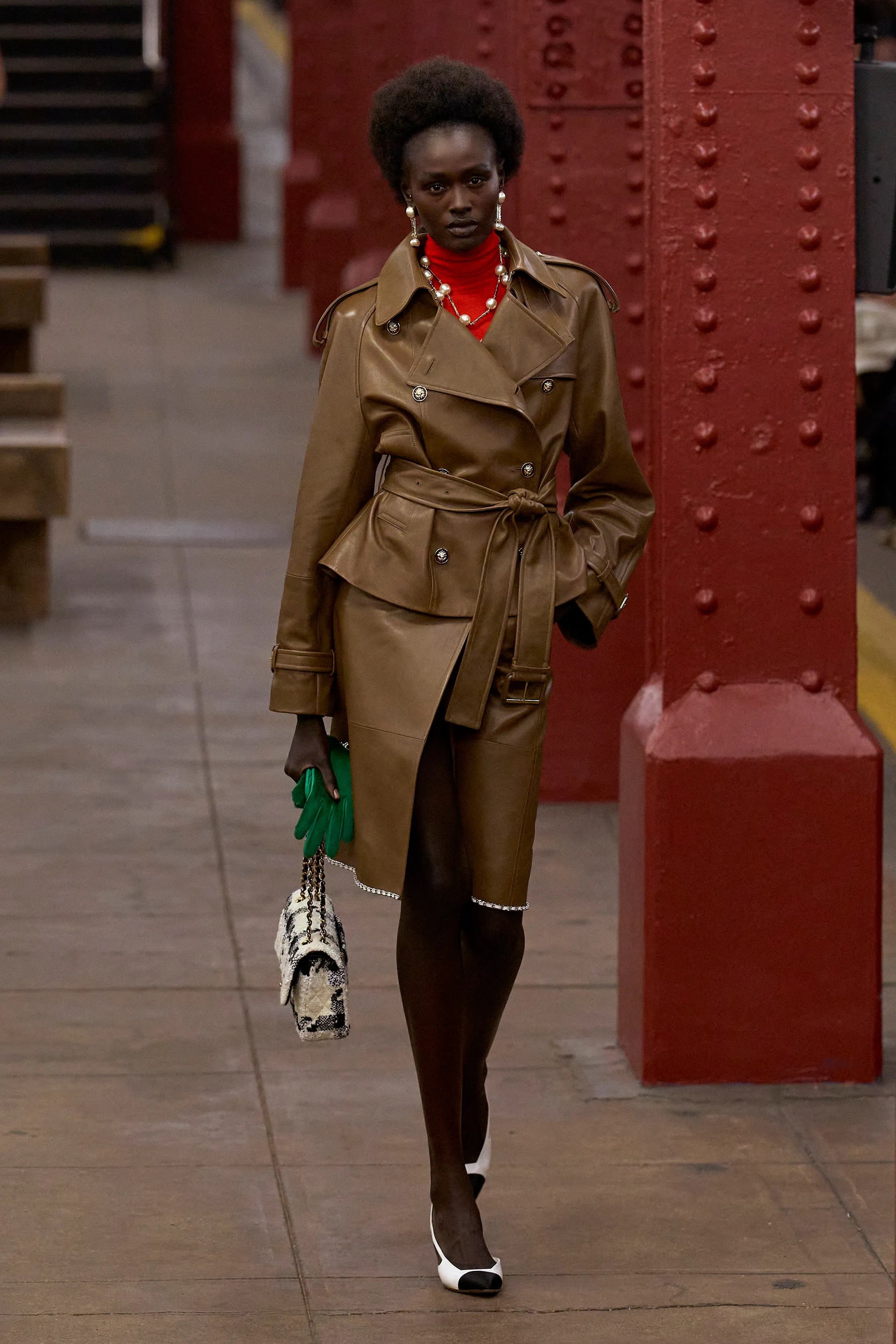
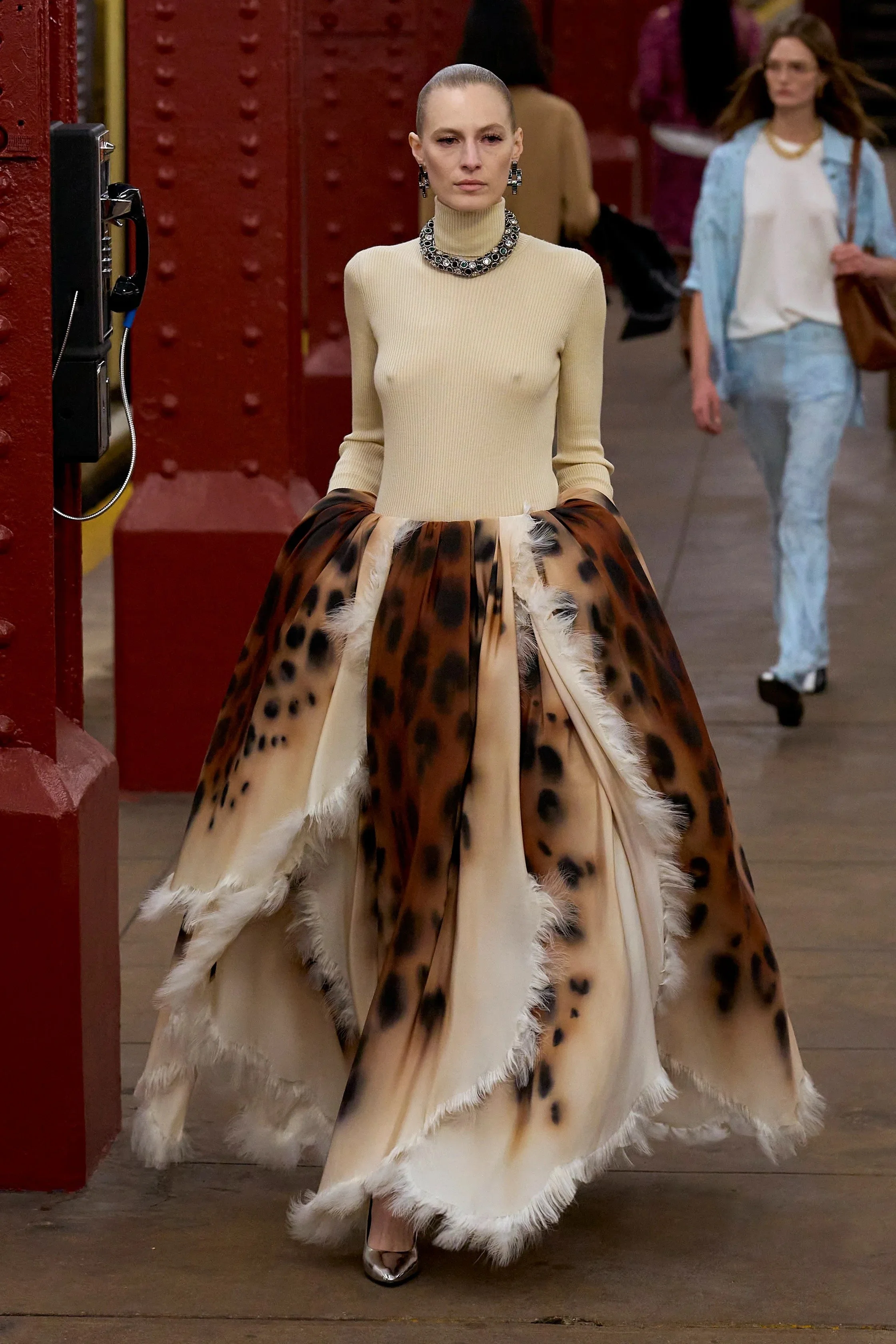
Chanel arrived in New York in December 2025 with a bold message. Luxury belongs everywhere. Under the street level of downtown Manhattan, inside the Bowery subway platform the house presented a show that felt both intimate and monumental. The location was raw but transformed. Red tiled walls glowed softly under curated lighting and a real train pulled into the station to open the runway. Models stepping from the train onto the platform as if they simply joined the everyday rush. The setting gave the Métiers d’art collection an emotional charge that felt grounded in real life yet still completely dreamlike. Matthieu Blazy wanted this. He described the subway as a place that belongs to everyone. The subway wasn’t just a backdrop. It was a statement. “The New York subway belongs to all,” he said. “Everyone uses it: students and game-changers; statesmen and teenagers.” For him, the platform was a microcosm of the city’s diversity and vibrancy, a place where every commuter becomes a character. With this show, Chanel wasn’t reaching for the exclusive world of elite fashion. It was embracing the ordinary, making the everyday extraordinary. He wanted Chanel to speak to everyone at once which made the choice of venue a clear statement for a new era.
Courtesy of Chanel
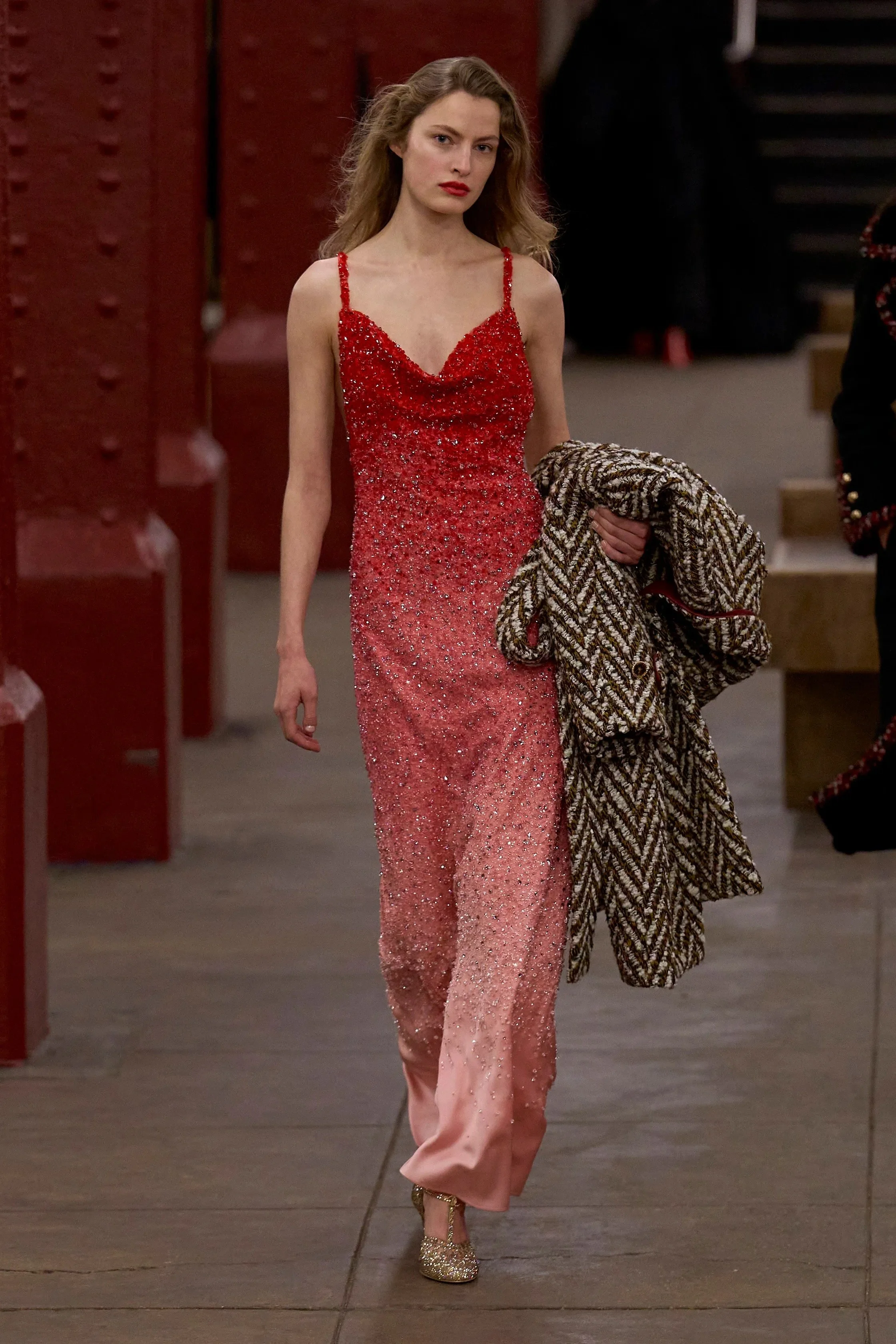
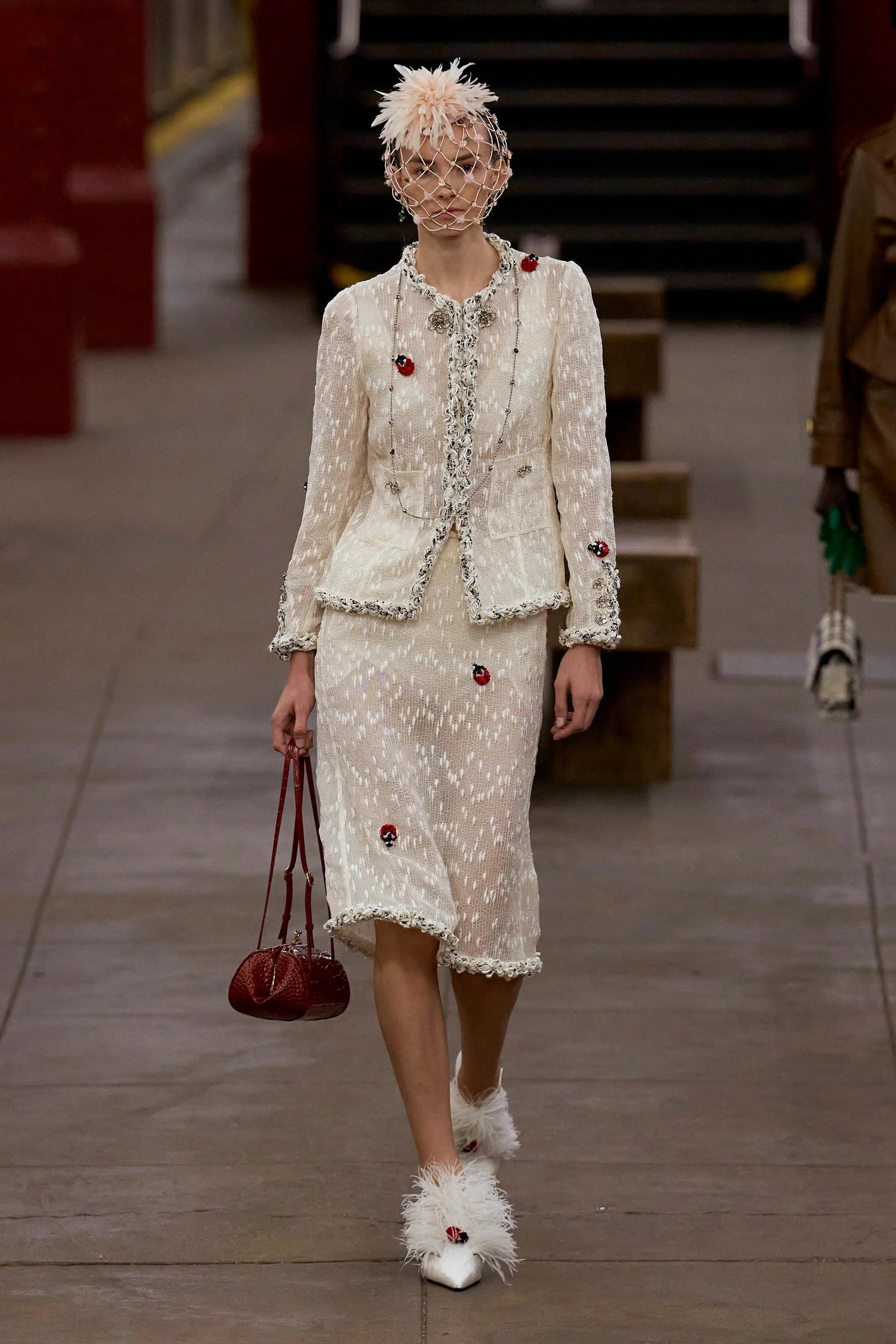
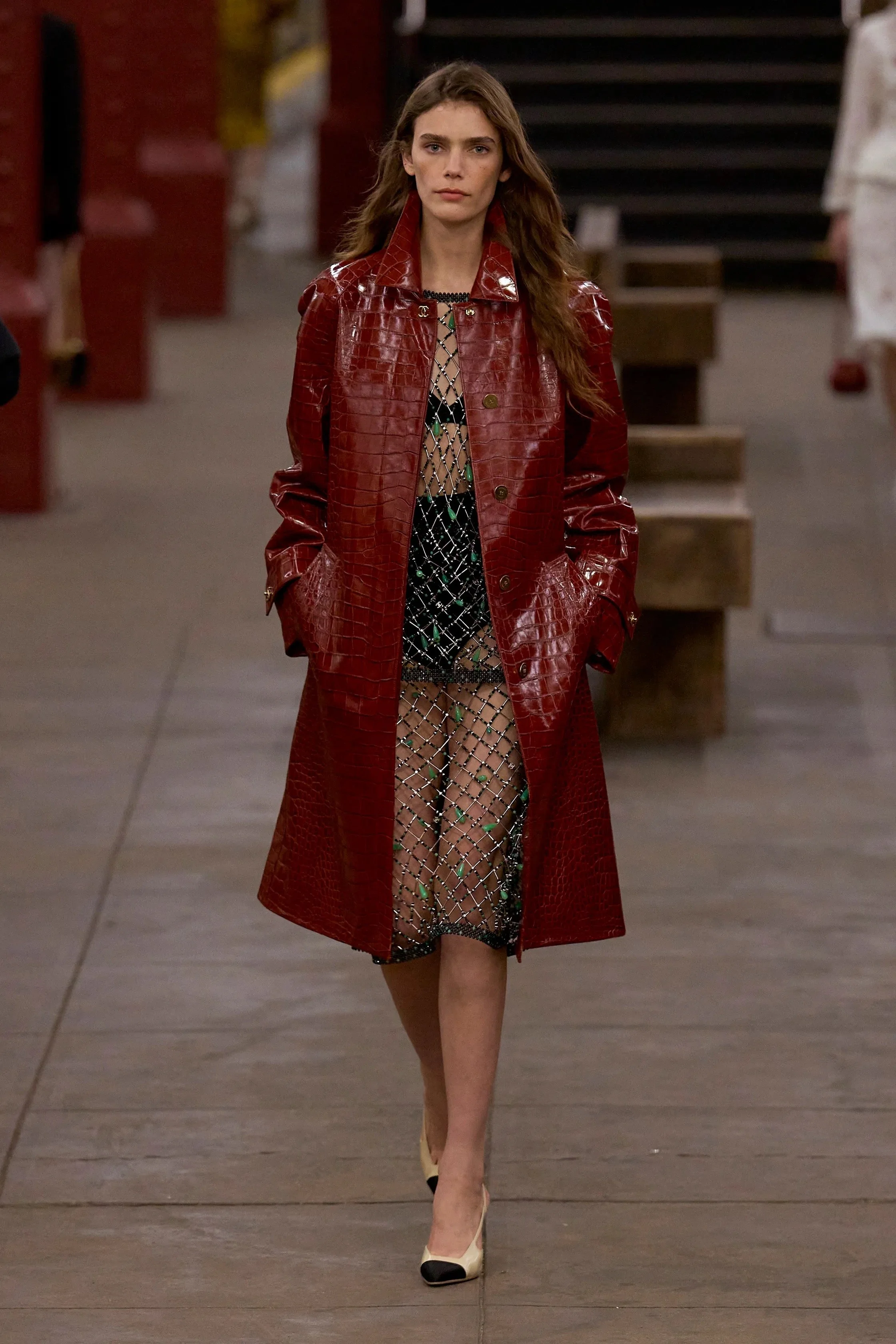
The collection reflected that mindset through material innovation and couture craftsmanship brought into a modern rhythm. Blazy continued his signature play with illusion fabrics. Silk was woven to mimic denim. Tweed was reshaped into sharp coats that still moved with ease. Sweaters featured bold reinterpretations of the double C. Embroideries looked vibrant under the station lights and feather shoes floated above the gritty floor. Blazy embraced the tension and turned it into a portrait of New York itself. A city that never asks you to choose between beauty and survival. A city where elegance lives inside the noise. The energy was chaotic yet alive, transporting the brand into a kinetic, democratic version of itself.
The casting and styling built the story further. The show captured women who look like characters pulled from real commutes yet sculpted for a Chanel frame. There is the student type in faux denim silk trousers, the uptown figure in a sculptural cape, the downtown dreamer in a net hat and the executive in a refined black coat that feels almost architectural. Blazy’s intention was to highlight archetypes that resonate in New York. He honored the long history between the city and Gabrielle Chanel who visited in 1931 and admired the energy of American women. The show felt like a return to that spirit. A reminder that Chanel was always meant for women who are in motion. Women who build their own worlds. Women who walk fast and dream faster.
Courtesy of Chanel
There was a feeling that wrapped around the whole night, a softness mixed with adrenaline, the kind you only get on a girls night out when the city becomes a backdrop for every version of you. From casual diner tables with lip gloss smudges on cigarettes to the kind of opera moments where your coat alone could hold a room in silence, every scene flowed into the next. In the end no matter who we were, no matter what seats we held, we all met again in the same train that carried us back home. That train became its own runway filled with beautiful clothes and stunning women who did not need a runway to feel magnetic. The energy was contagious, it stayed on our skin like perfume. Everyone who witnessed the beauty of this show will carry that feeling into their next train ride, knowing that elegance can live anywhere, that the night can turn you into art and that sometimes the most unforgettable moments happen between two stops underground.
The finale of the show brought the narrative together. As the models stepped back into the train the platform returned to quiet. The station looked untouched again yet the atmosphere had shifted. The Métiers d’art show proved that couture does not lose its power in everyday spaces. Instead it becomes more meaningful. Blazy offered a new interpretation of luxury that respects tradition but listens to the present moment. Chanel did not bring New York into its universe. It placed itself inside the city and let the city shape the story. The result was clear. Chanel feels alive again. It feels connected to real people while still holding its iconic aura. Coco’s urban dream finally stepped into the open and it looked unforgettable.