
Fashion Found Its Cinematic Voice
From Gucci short films to Saint Laurent’s studio, luxury learned how to tell stories that last.
Remember when Gucci and Saint Laurent first started flirting with cinema? It wasn’t just about glossy campaigns anymore, it was about narrative. About emotion. About making us feel something that a static image never could. Fashion and cinema have been intertwined since the birth of both industries in the 1910s. But the modern “fashion film” era really began in the 1990s, when fashion became globalized and self-aware. Designers, photographers and stylists started using film to narrate identity, luxury and rebellion. From Gia (1998, HBO) starring Angelina Jolie to The Devil Wears Prada (2006) based on Vogue insider stories, cinema became fashion’s mirror. Over the last century, we’ve seen fashion houses like Chanel, Dior, Maison Margiela and YSL create films, documentaries, television projects and they almost never miss.
Gucci now uses cinematic storytelling as a driver of emotion and virality. Its 2025 short film The Tiger earned $14 million in media value within one day. All from a three-minute piece that played like an indie short. No slogans, just aesthetic immersion and emotional pull. Meanwhile, House of Gucci (2021), Ridley Scott’s drama about the Gucci dynasty, turned real-life scandal into pop-cinema.
Cinematic storytelling has become fashion’s favorite language, a way to deepen emotional connection and expand cultural influence beyond runways and billboards. Instead of seasonal lookbooks or influencer-led campaigns, brands are now releasing short narratives and documentaries, that allow them to live in our minds longer than a photo ever could.

Courtesy of GENTLE MONSTER
Gentle Monster has mastered this too. Their most recent short film “The Hunt” (2025), released this fall, is a one-minute fever dream starring Hunter Schafer. It reached 11 million views in 22 hours. Part dystopian, part dream sequence, it barely mentions product, yet it’s pure brand identity. The world-building is so distinctive that it’s hard to tell where the art ends and the marketing begins.
YSL took it one step further, officially launching Saint Laurent Productions, a dedicated film division led by creative director Anthony Vaccarello. It’s more than a side project; it’s an expansion of the brand’s universe into cinema as an art form. Their upcoming film slate includes collaborations with major directors and actors, positioning YSL not just as a fashion label, but as a cultural studio.
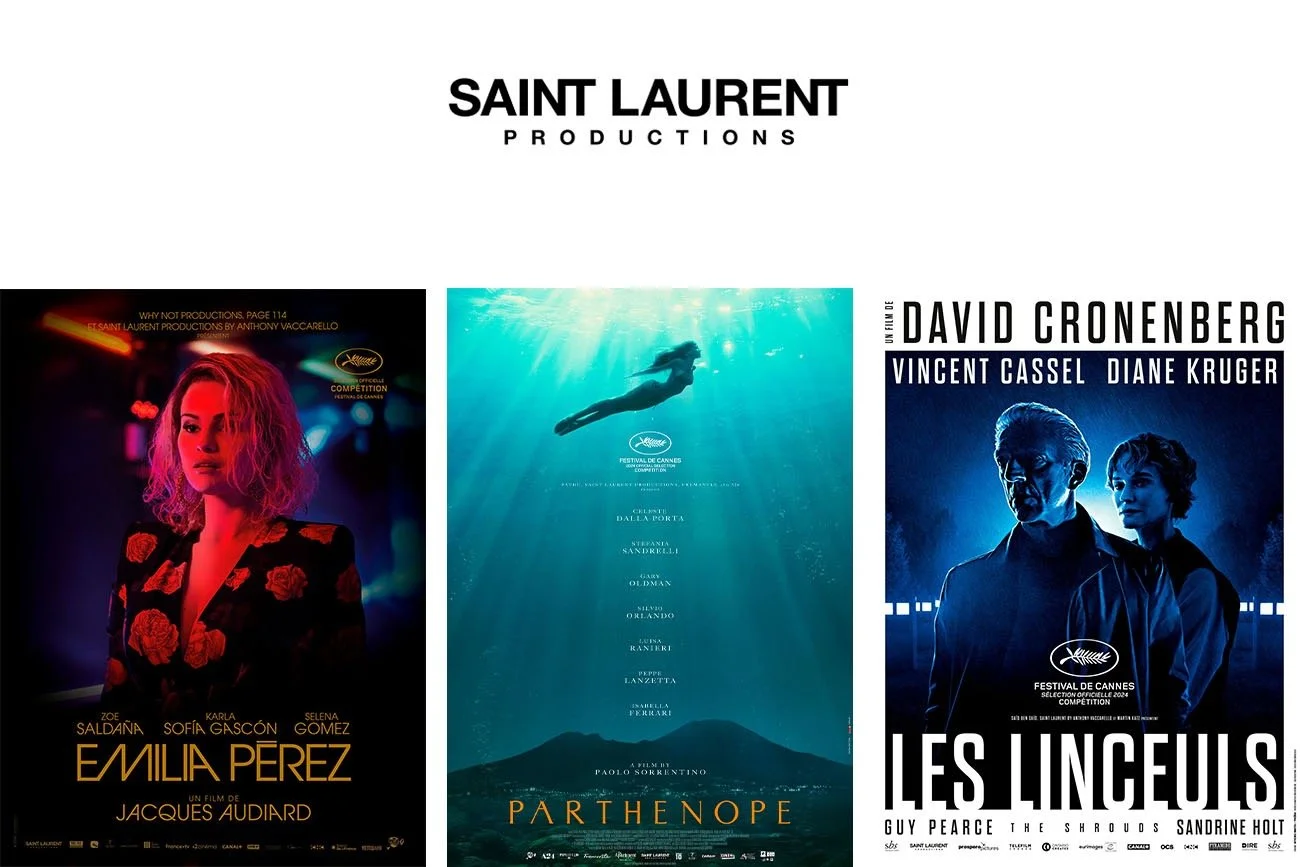
Courtesy of SAINT LAURENT
And the data backs it up: In 2025 alone, brands generated 25% more earned media value from actors than the year before. At the recent Fashion Weeks, 33% of the talent on stage were film actors, not models. When Dolce & Gabbana recreated a Devil Wears Prada moment at their Milan show, it generated $8 million in earned media value in 24 hours. The reason for it is depth. Fashion movies offer story and meaning. Luxury has always been about fantasy. But the new generation of luxury storytelling is about emotion, about the inner world, not just the outer image. A world where creative directors act like filmmakers, campaigns feel like cinema and fashion shows turn into screenplays. Welcome to the new stage.